
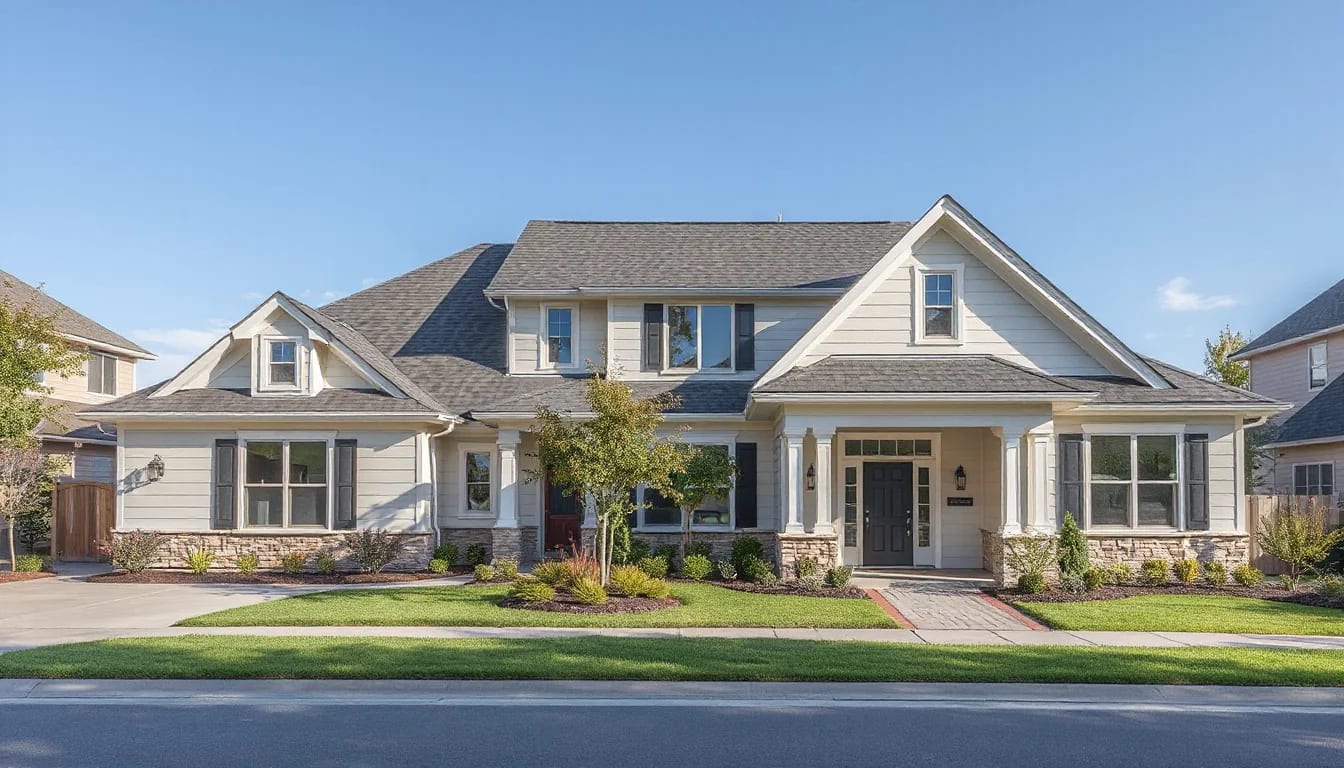
Homes near parks and playgrounds can attract attention at resale, but proximity alone does not determine value. The strongest opportunities balance convenient access to green space with practical details such as street traffic, privacy, parking, maintenance, and the condition of the home itself. Knowing what to evaluate before making an offer can help buyers choose a location that remains appealing when it is time to sell.
Why Park Access Can Matter at Resale
A nearby park can add a useful layer of everyday convenience to a home search. Walking paths, open lawns, courts, picnic areas, dog-walking routes, and playground equipment create places for recreation without requiring a long drive. For many buyers, these features expand how they use a neighborhood and can make a listing more memorable when comparable homes offer similar square footage, condition, and price.
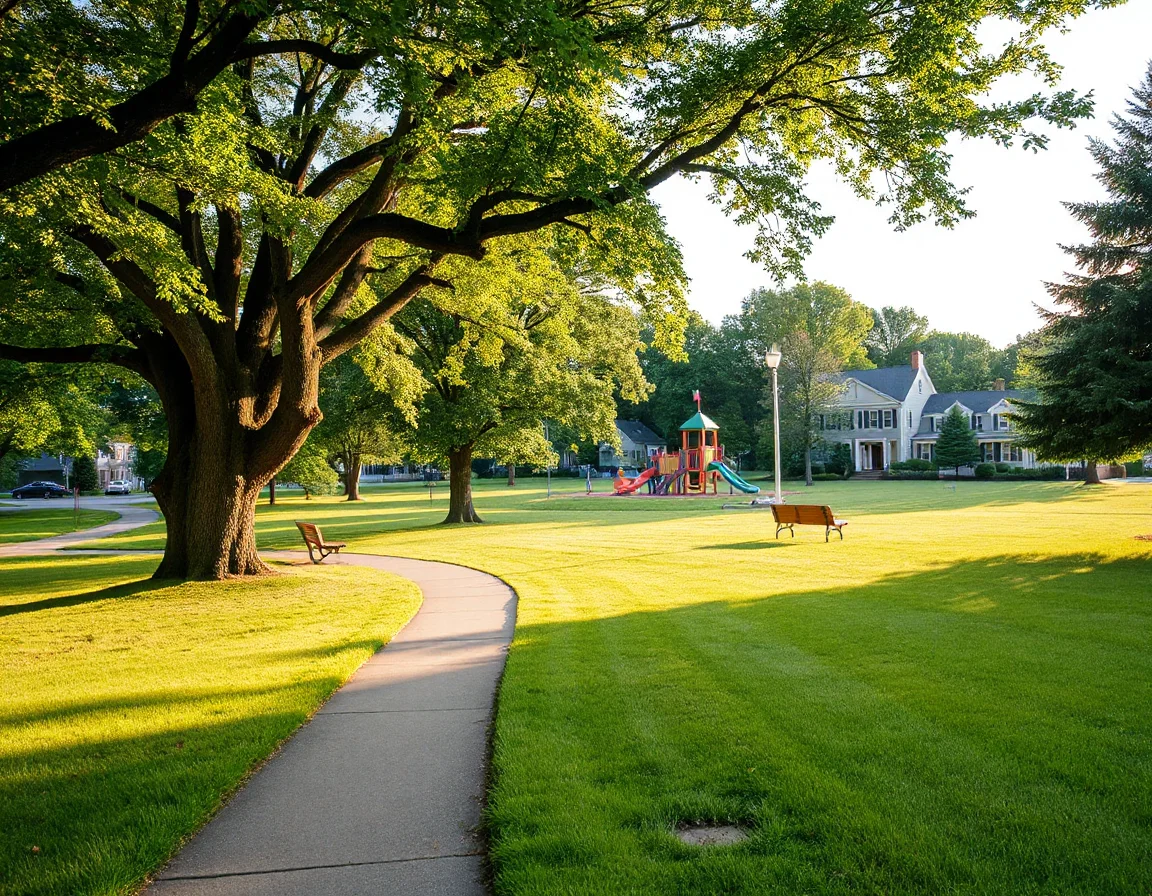
That appeal is often less about a single amenity and more about flexibility. A well-kept green space can offer room for a morning walk, an outdoor workout, a casual meet-up, or a quiet place to sit outside. When marketing a home later, an agent can describe the distance to public amenities objectively and help prospective buyers understand the location’s practical benefits.
Still, buyers should avoid treating “near a park” as an automatic premium. Park quality, maintenance, accessibility, lighting, scheduled programming, parking patterns, and the surrounding street layout can all affect how the location feels day to day. Two houses the same distance from green space may perform very differently because one has a buffered setting and the other faces a busy entrance or heavily used parking area.
A home that is a comfortable walk from a park may offer many of the resale advantages of proximity while avoiding some of the noise, visibility, and traffic that can come with being directly adjacent.
It also helps to distinguish between a small neighborhood pocket park and a larger destination facility. A local green space may bring steady but modest activity, while a regional park, athletic complex, or recreation center can produce busier weekends, events, and seasonal parking demand. Neither is inherently better; the key is matching the property’s position and outdoor layout to the activity around it.
Look Beyond the Map Pin
Before buying, visit the property more than once and at different times. A quiet weekday morning can reveal something very different from a Saturday afternoon, an evening practice schedule, or a holiday weekend. Drive the likely routes into the area, observe on-street parking, and listen from the yard, porch, and main living spaces with windows open and closed.
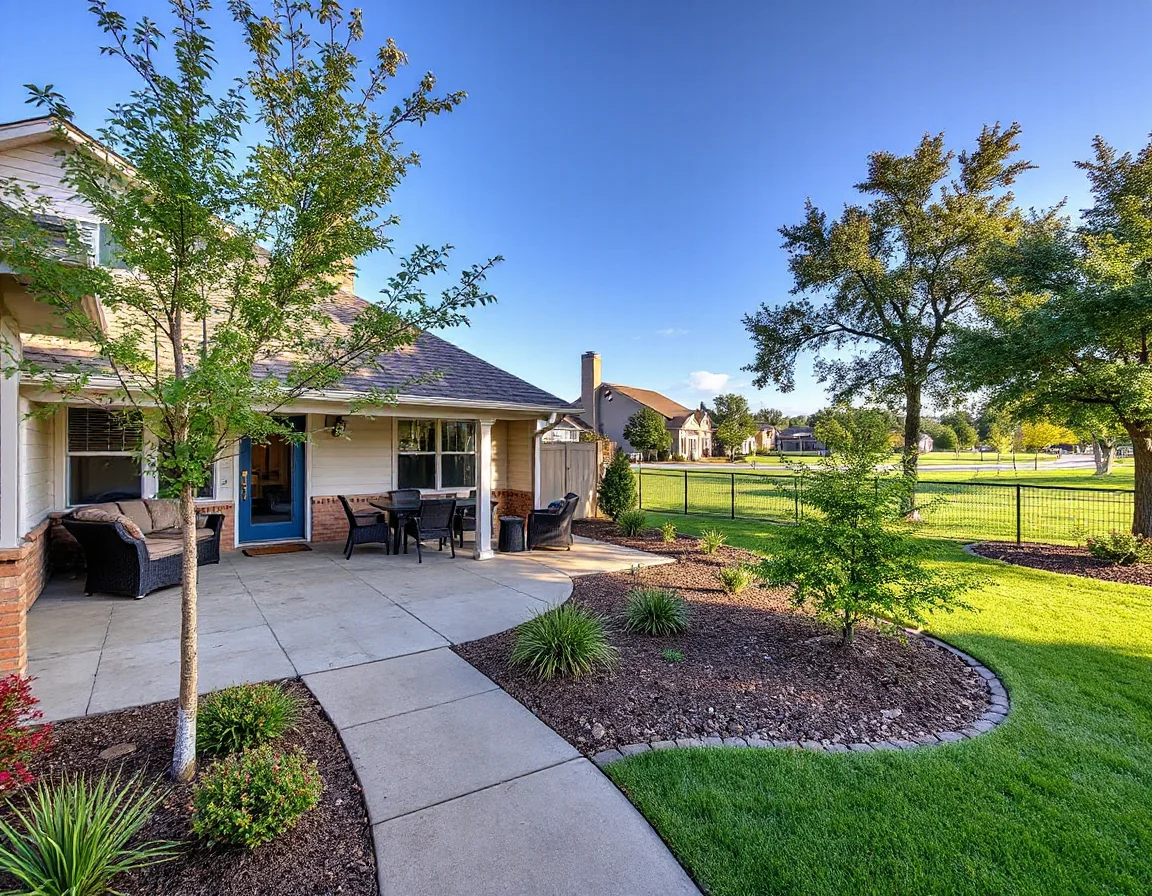
Pay close attention to the buffer between the home and the public space. A landscaped strip, mature trees, a side street, fencing, or a row of homes can create separation. Conversely, a direct sightline to a court, play area, parking lot, or event field may affect privacy. Buyers evaluating homes with outdoor living spaces should consider where a patio, deck, garden, or seating area sits in relation to park activity.
Access matters as much as distance. Check whether there is a direct pedestrian connection, marked crossings, sidewalks, curb ramps, and a route that feels straightforward for the way you expect to use the amenity. A park that appears close on a map may require navigating a high-traffic road, a missing sidewalk segment, or a long detour to reach an entrance.
It is also worth reviewing local plans when available. Municipal park departments, planning agendas, and public meeting notices can signal upcoming trail work, field upgrades, drainage improvements, parking changes, or new recreation facilities. Future investment may enhance the amenity, but construction schedules and changing traffic patterns are useful information to have before committing to a purchase.
For the home itself, prioritize the fundamentals that generally support resale: sound maintenance, functional layout, natural light, storage, usable outdoor areas, and a price supported by relevant comparable sales. Park access can strengthen a home’s story, but it rarely compensates for deferred repairs, an awkward floor plan, or a location concern that buyers can immediately see or hear.
Explore homes near parks and playgrounds
Understand the Trade-Offs Before You Offer
A thoughtful purchase decision includes both the upside and the trade-offs. Homes on routes leading to popular public spaces can experience more passing vehicles, bicycles, pedestrians, and delivery activity. If the park has courts, fields, a pavilion, or organized events, sound levels and parking availability may change throughout the week. Ask about homeowners association rules, municipal ordinances, and any recurring event calendars that could influence daily routines.
Parking deserves special attention. A driveway, garage, and manageable street access can become especially valuable when nearby public parking fills up. During a showing, note whether visitors parked in front of the home, whether driveways are blocked by activity, and how easily vehicles can enter and exit. These details may not show up in listing photos, yet they can shape future buyer impressions.
Buyers should also inspect drainage and grading around both the house and adjoining public land. Parks often include low areas, irrigation, retention zones, or heavily watered turf. A qualified inspector can help identify property-specific concerns, while local records may provide context about easements, flood information, or planned infrastructure work. Facts gathered early make it easier to compare properties with confidence.
Resale value is usually created by a combination of location, condition, presentation, and timing. A home near a well-used public amenity can be easier to explain and market when its other features are equally compelling. Thoughtful landscaping, a comfortable patio, clear boundaries, and well-maintained exterior finishes can help a property feel connected to the outdoors while preserving a sense of retreat.
Make a Location Decision You Can Stand Behind
When comparing homes, create a simple scorecard rather than relying on a first impression. Rate each property for park access, street conditions, privacy, outdoor usability, parking, maintenance needs, and comparable-sale support. This makes it easier to see whether a premium price reflects meaningful advantages or simply a popular label in the listing description.
It can also be helpful to think ahead to the future listing conversation. What would make a buyer pause? What would make the home stand out? A property with convenient green-space access, a practical route to amenities, and an outdoor area that remains enjoyable can offer a clear, fact-based resale narrative. The best choice is not necessarily the closest home to the playground; it is the one where the whole location works together.
Working with a local real estate professional can bring structure to this evaluation, from reviewing recent sales to identifying questions for inspections and municipal research. With a careful look at the park, the block, and the property’s own strengths, buyers can move forward with a decision that supports both present-day enjoyment and future marketability.