
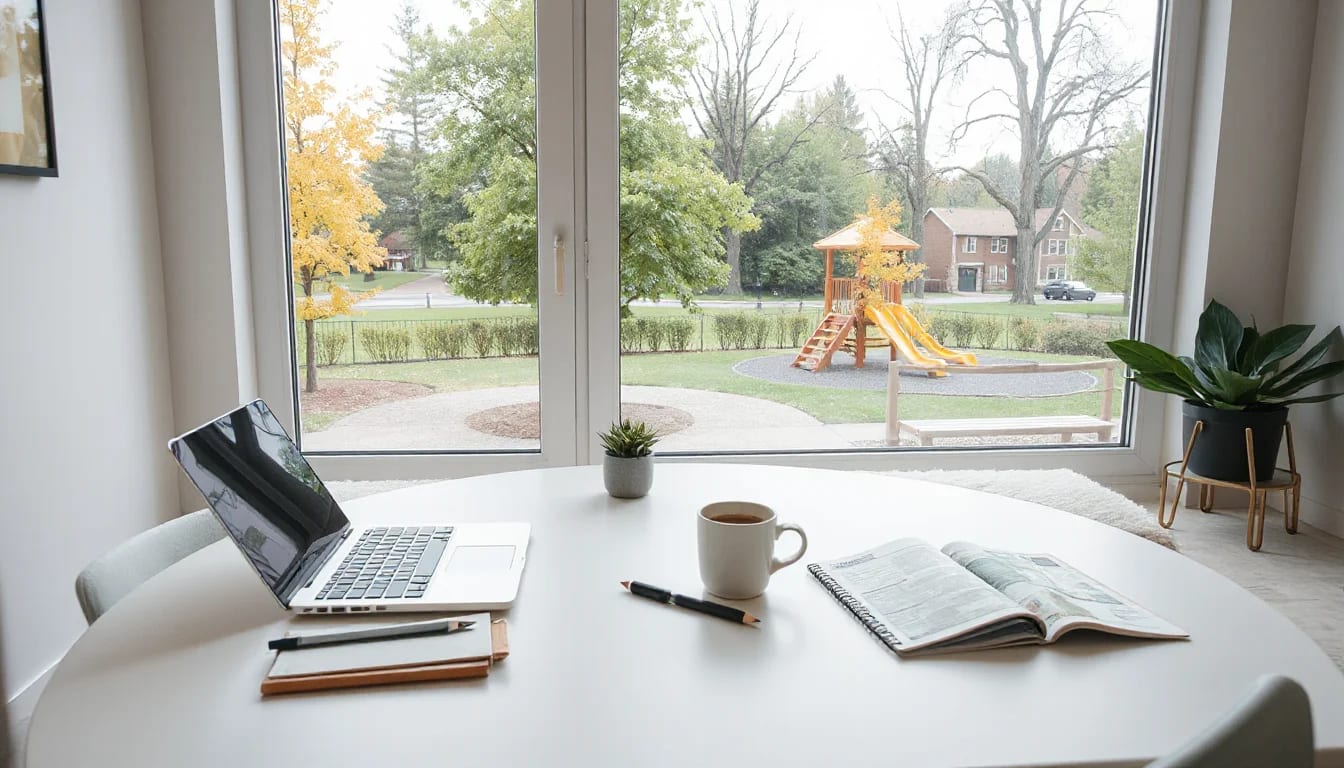
A nearby park can change how a home feels long after moving day. From a quick morning walk to a shaded place to read, exercise, or meet up outdoors, access to green space adds practical options to everyday routines. When comparing homes, looking beyond the property line can reveal amenities that matter just as much as a renovated kitchen or a generous patio.
Green Space Is Part of the Everyday Experience
A home’s appeal is shaped by much more than its bedrooms, finishes, and lot size. The blocks around it influence how easily residents can step outside, take a break, enjoy fresh air, or add movement to the day. A nearby park can provide an accessible change of scenery without requiring extensive planning, which is why many buyers include local green space on their list of must-see neighborhood features.
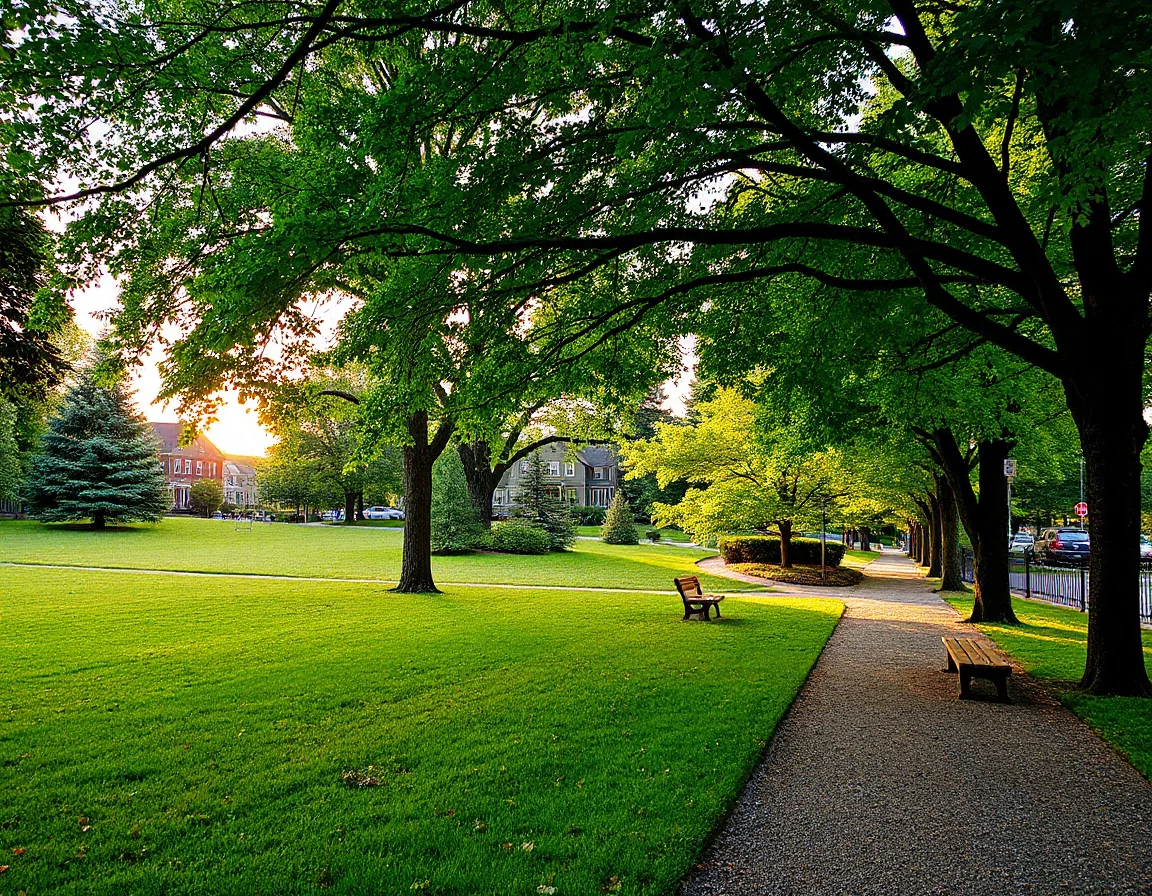
Convenience is often the key. A park that is close enough for a short walk can become part of a regular rhythm: an early stroll before work, a lunch-hour reset, an evening loop with a dog, or a place to pause between errands. Even people who do not consider themselves especially outdoors-focused may appreciate having a calm, usable public space within easy reach.
Parks also expand the sense of usable outdoor space around a property. A private yard, balcony, porch, or patio can offer a personal retreat, while a nearby trail, open lawn, court, garden, or shaded seating area creates another option when the mood calls for more room. For homes with outdoor living features, proximity to a park can complement rather than replace what is available at home.
When touring a property, take a few minutes to walk the route to the nearest park at the time of day you would most likely use it. The route, crossings, shade, and actual travel time can be more informative than a map pin.
Not all parks serve the same purpose, so it helps to look at the details. Some are designed around walking paths and quiet seating. Others include playground equipment, athletic fields, tennis or pickleball courts, community gardens, dog areas, picnic shelters, or seasonal programming. These features can affect everything from parking patterns and activity levels to how often a park becomes part of a resident’s routine.
What Buyers Can Observe Beyond the Listing Photos
Listing photos may show a beautiful backyard or a bright interior, but they rarely explain how a nearby public space functions. A thoughtful visit can add context. Notice whether paths are well connected, whether benches and trees create comfortable places to linger, and whether the park appears actively maintained. These observations help turn a general amenity into a real-world lifestyle consideration.
It is also useful to visit at more than one time. A weekday morning, late afternoon, and weekend can each show a different side of the area. Activity near a park is not automatically positive or negative; it is simply information that helps a buyer understand the setting. Observe street parking, lighting, landscaping, sightlines, traffic flow, and the distance between the park boundary and nearby homes.
For a property that directly borders a park, orientation can matter. A rear deck facing trees may provide a pleasant view, while a home beside a busy recreational area may experience more activity during programmed events or peak use periods. Buyers can ask practical questions about municipal maintenance, field schedules, hours of operation, trail connections, and any planned improvements. Reviewing those details early supports a more confident decision.
Accessibility is another important consideration. Look for pathways, curb cuts, seating, surface conditions, and connections to surrounding streets. A park’s value is often tied to how easy it is to reach and use. Features that support a comfortable visit for a wide range of mobility needs can make a public space more functional throughout the year.
Explore homes near playgrounds and parks
Why Park Proximity Can Support Long-Term Appeal
Real estate value is influenced by many variables, including condition, location, housing supply, local employment patterns, taxes, and buyer demand. A nearby park is not a guaranteed formula for a higher sale price, but it can be a meaningful part of a home’s overall market story. Properties that pair well-maintained interior spaces with convenient outdoor amenities often give future buyers an additional reason to take notice.
That appeal is especially clear when the park connection feels natural rather than incidental. A walkable route, mature landscaping, a scenic view, or direct access to a trail can make the surrounding environment feel integrated into daily life. Sellers can highlight factual, verifiable details in marketing: the distance to a park entrance, the nearby path network, available recreation features, and the home’s outdoor spaces for relaxing or entertaining.
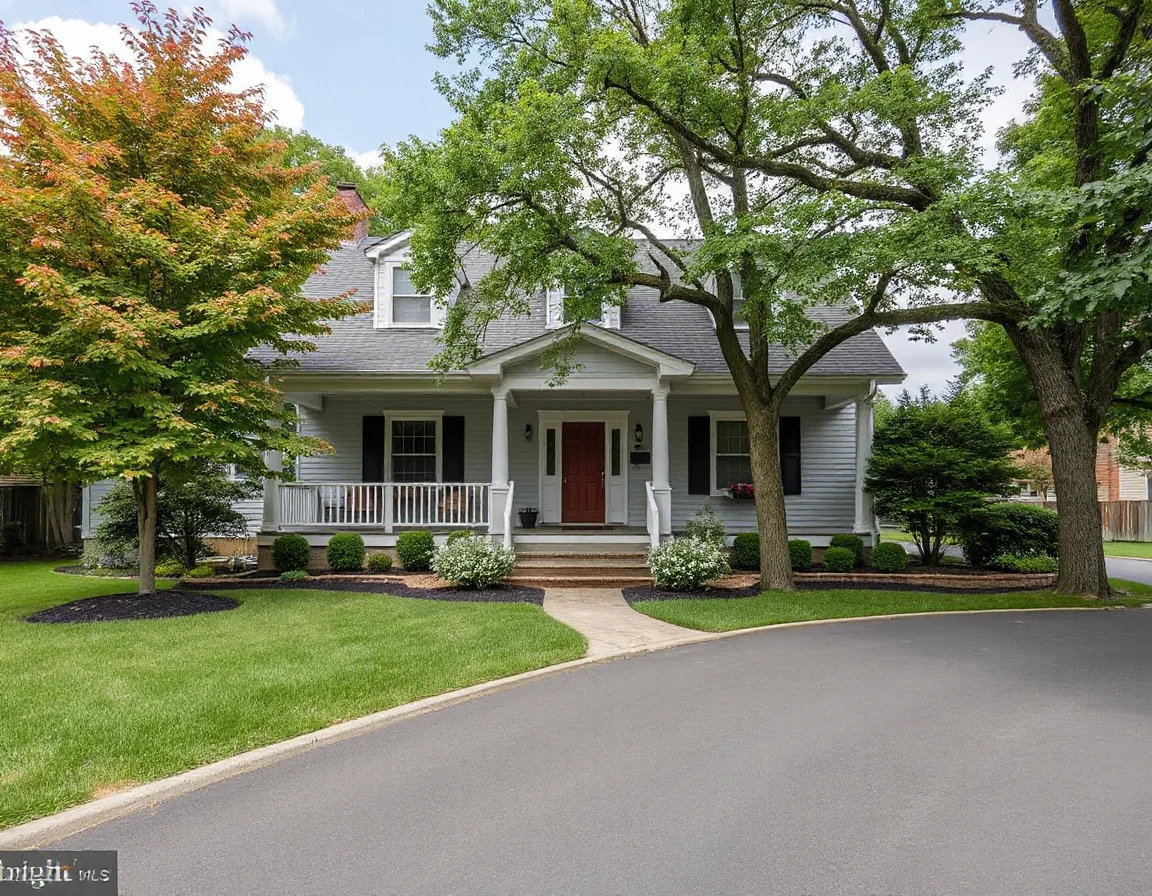
For sellers, presentation matters here as much as it does indoors. If a home has a porch, patio, garden, or yard, show how those spaces work alongside the local setting. Fresh landscaping, clear walkways, and inviting outdoor seating can help buyers imagine the full rhythm of the property—from a quiet morning at home to time spent in the nearby green space.
For buyers, it is wise to balance enthusiasm with due diligence. Check public information about future development, park upgrades, road projects, drainage work, and local rules that may affect the area. A park can be a compelling amenity, but the best choice is one that fits the practical needs of your schedule, preferred activities, maintenance expectations, and long-term plans.
A More Complete Way to Compare Homes
When homes have similar square footage and price points, the surroundings can become the deciding factor. One property may offer a larger interior, while another offers a more inviting connection to paths, trees, open space, and outdoor recreation. There is no universal answer; the goal is to understand which combination of home features and nearby amenities will be most useful to you.
Arielle Corinti encourages buyers to consider both the private spaces within a property and the public spaces that enrich the area around it. By touring carefully, asking specific questions, and looking at how a neighborhood works beyond the front door, buyers can make a more informed comparison. A nearby park may not be the only reason to choose a home, but it can be one of the everyday details that continues to add value long after closing.