
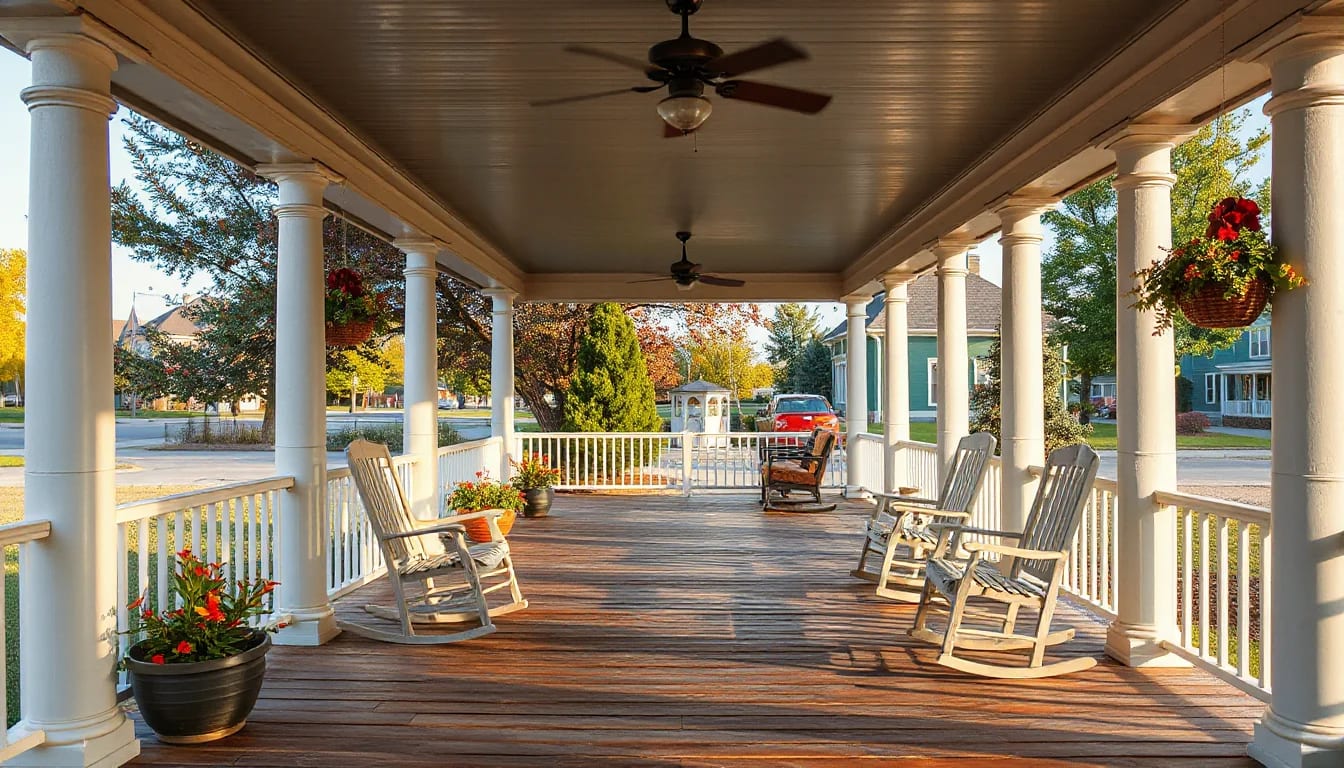
A nearby park or playground can add real everyday value to a home search, but the closest green space is not always the best fit for your routine. A thoughtful visit helps you compare access, upkeep, amenities, traffic patterns, and the outdoor spaces that matter most to you. Use this checklist before making an offer so the location supports the way you plan to live.
Look Beyond the Pin on the Map
Online maps make it easy to spot a green patch near a listing, but they cannot tell the whole story. A park may be a short distance away yet separated by a busy intersection, limited sidewalks, steep terrain, or a route that feels inconvenient at the times you would actually use it. Before buying, visit the area on foot if possible and follow the route from the home to the park entrance. Notice crosswalks, curb ramps, shade, lighting, bike lanes, parking availability, and whether the path feels practical in different weather conditions.
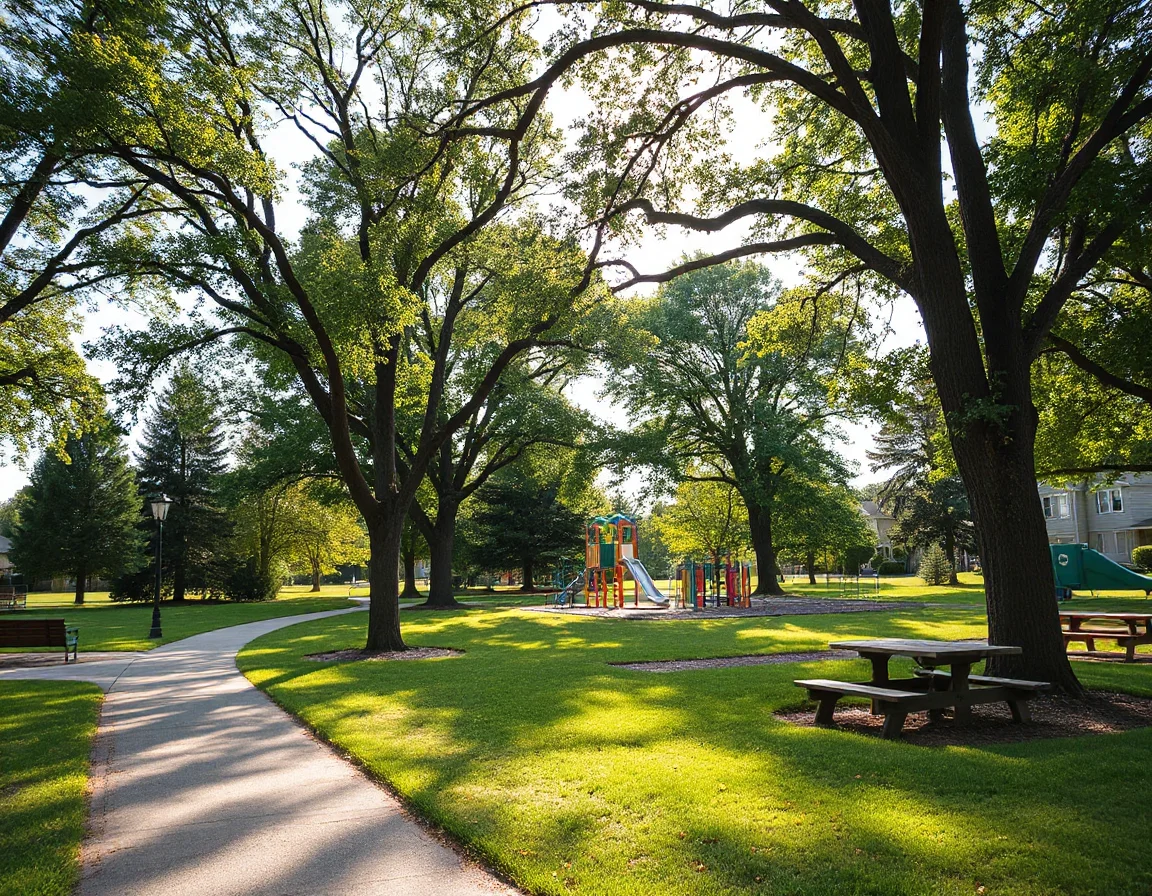
It is also worth checking exactly what the map label represents. Some sites are full public parks with maintained paths, courts, picnic areas, restrooms, and programmed activities. Others may be small landscaped lots, school grounds with restricted access, private amenities managed by an association, or open space without recreational features. Each can be useful, but they offer very different day-to-day experiences and may come with different rules, maintenance schedules, or fees.
Timing matters. A quick drive-by on a quiet weekday morning may look very different from a visit during an evening sports practice, a weekend event, or a seasonal festival. Return at more than one time if the park is a major factor in your decision. You can get a clearer sense of nearby parking demand, sound levels, field lighting, traffic flow, and how the surrounding streets function when the space is being used.
A park that is “close” on a listing map is most valuable when the route, access hours, and amenities work for your actual schedule—not just for a weekend visit.
Make a Practical Amenity Checklist
Start with the activities you enjoy or expect to use. A shaded walking loop may matter more than a large athletic field. A dog area, tennis court, splash feature, public garden, trail connection, picnic shelter, or open lawn can each change the usefulness of a nearby park. For playgrounds, look at the equipment condition, surfacing, seating, visibility, shade, fencing, and posted age or use guidelines. The goal is not to find one universally “best” park; it is to understand whether the available amenities match your preferences.
- Access: Note entrances, sidewalks, crossings, parking, bicycle storage, and transit stops.
- Maintenance: Look for cared-for landscaping, emptied waste bins, repaired equipment, and clear posted rules.
- Comfort: Check benches, shade, drinking fountains, restrooms, and areas for taking a break.
- Programming: Review public calendars for sports, community gatherings, permits, concerts, or seasonal closures.
- Setting: Consider adjacent roads, homes, commercial corridors, drainage areas, and any potential sources of noise.
Public agency websites often provide useful details that do not appear in property marketing. Look for park hours, planned renovations, maintenance alerts, trail maps, recreation guides, and capital improvement plans. A new court or rebuilt playground can be a welcome improvement, while a long-term construction project may temporarily affect access or parking. If the property is near an association-managed park, review the association documents to understand dues, guest policies, reservations, and maintenance responsibilities.
Explore homes near parks and playgrounds
Evaluate the Home’s Own Outdoor Space
A public park can complement a property, but it does not replace the value of private outdoor space. When touring a home, think about how the yard, patio, balcony, porch, or courtyard works alongside nearby recreation options. A compact patio may be ideal for morning coffee and container gardening when a walking trail is close by. A larger yard may offer room for planting, gathering, or flexible outdoor projects. The best combination depends on how much maintenance, privacy, and activity space you want at home.
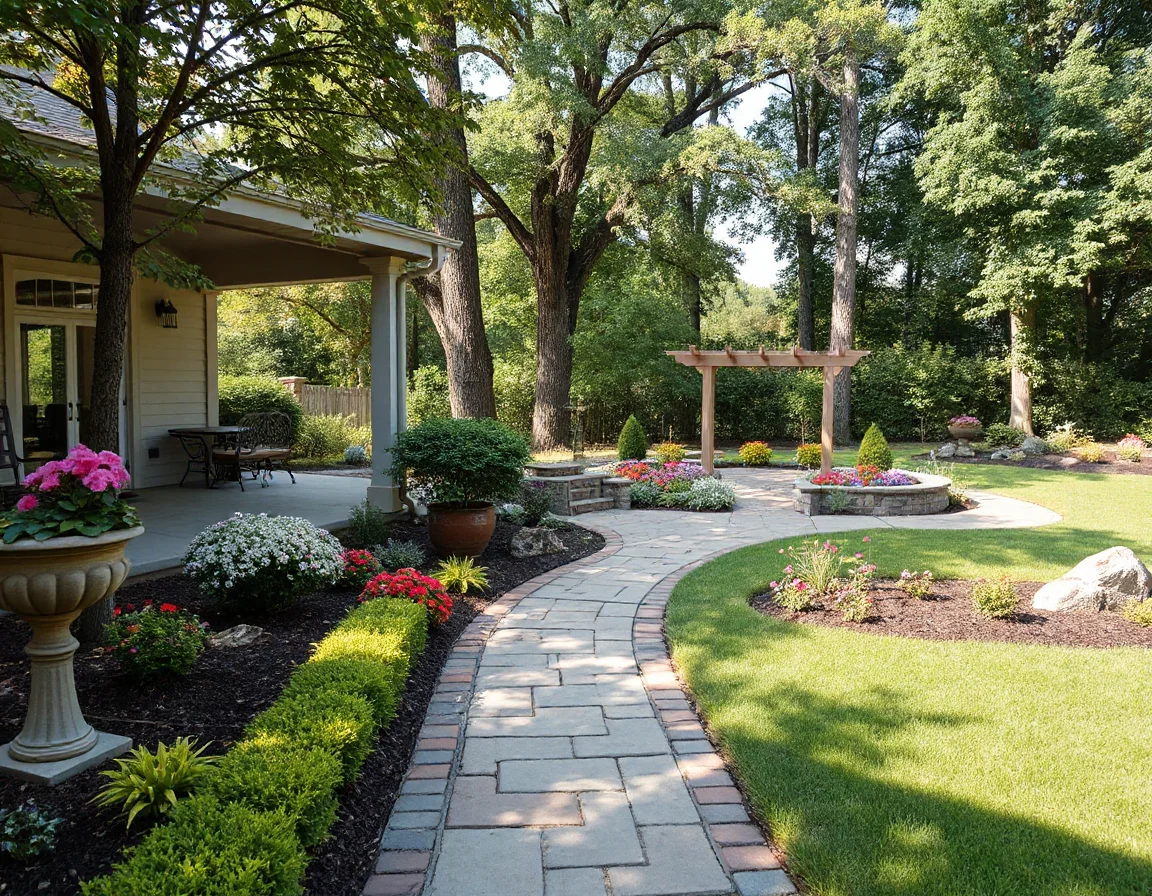
Pay attention to the physical details during showings. Observe drainage after rain, tree condition, fencing, slope, irrigation, exterior outlets, storage, and the orientation of the home throughout the day. Ask whether any structures, decks, sheds, or fencing required permits, and review property lines before making assumptions about usable space. If a home backs to a park, confirm who owns the bordering land and whether there are easements, access points, maintenance corridors, or future improvement plans that could affect the view or boundary.
Outdoor living spaces can be especially appealing because they give a home multiple ways to function. Still, features such as pools, retaining walls, mature trees, decks, and extensive landscaping deserve the same careful evaluation as an interior renovation. A professional inspection and targeted specialist reviews, when appropriate, can help you understand current condition, maintenance needs, and likely future costs.
Ask Questions That Protect Your Decision
When a nearby park or playground influences your interest in a listing, bring specific questions to your real estate conversation. Ask what is known about the route, local improvement projects, association rules, property boundaries, and recent changes to the surrounding streets. Your agent can help you identify public records and questions for the appropriate municipality, association, seller, or inspector. Direct sources are particularly important because park programming, rules, and planned projects can change over time.
Treat nearby recreation as one part of the property’s overall value picture: convenience, maintenance, road access, taxes, association obligations, and the home’s condition all deserve equal attention.
Arielle Corinti helps buyers look closely at both a property and the practical details around it. Whether you are drawn to a home with a generous patio, a landscaped yard, or quick access to public green space, a well-organized search can help you compare options with more confidence. Take notes during each visit, photograph permitted details for later comparison, and keep your priorities visible as you tour homes.
Plan your home search with confidence
Turn a Good Visit Into a Better Home Search
Parks and playgrounds can be meaningful neighborhood amenities, but their value is personal and practical. The right nearby space may be a quiet trail for an evening walk, a place to meet friends outdoors, a court for a regular game, or simply a stretch of greenery that breaks up the built environment. By visiting in person, researching the details, and pairing neighborhood amenities with an honest assessment of the home’s own outdoor areas, you can make a more informed decision before you move forward.