A nearby park can make a property more appealing, but proximity alone does not guarantee higher rent or a stronger resale price. The useful question is whether the amenity justifies its cost after you account for comparable homes, operating expenses, and the realities of getting to the park.
Why outdoor access can matter
A walking path, open lawn, or playground can give residents another way to enjoy time outdoors without maintaining additional space at home. For a rental property, that convenience may help a listing stand out among otherwise similar options. For a future sale, a usable public amenity can be one part of the property’s overall appeal.
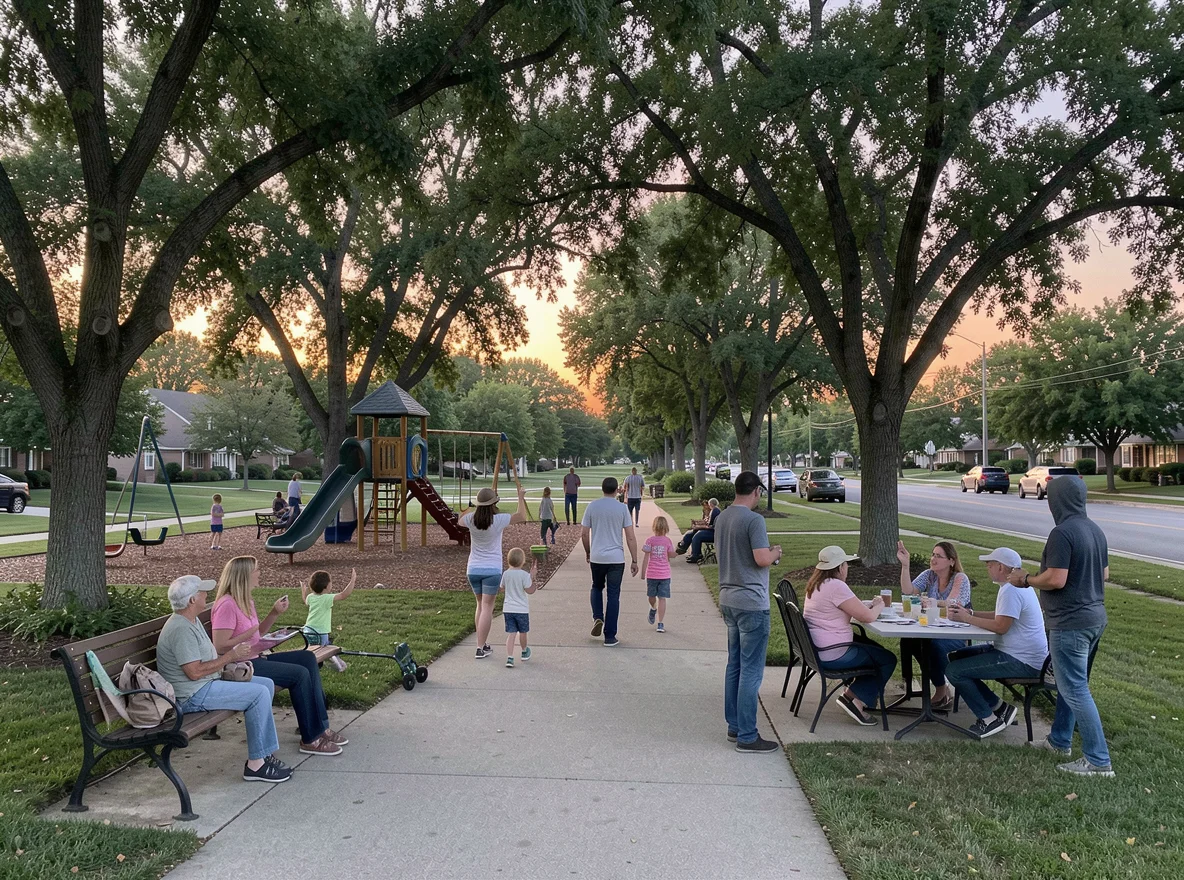
Not every green space offers the same experience, though. A well-maintained park with multiple entrances and paths may be more useful than an open area separated from the property by a busy road. Look beyond the map pin: visit the park, check its posted hours, and notice the condition of paths, seating, lighting, and recreational facilities.
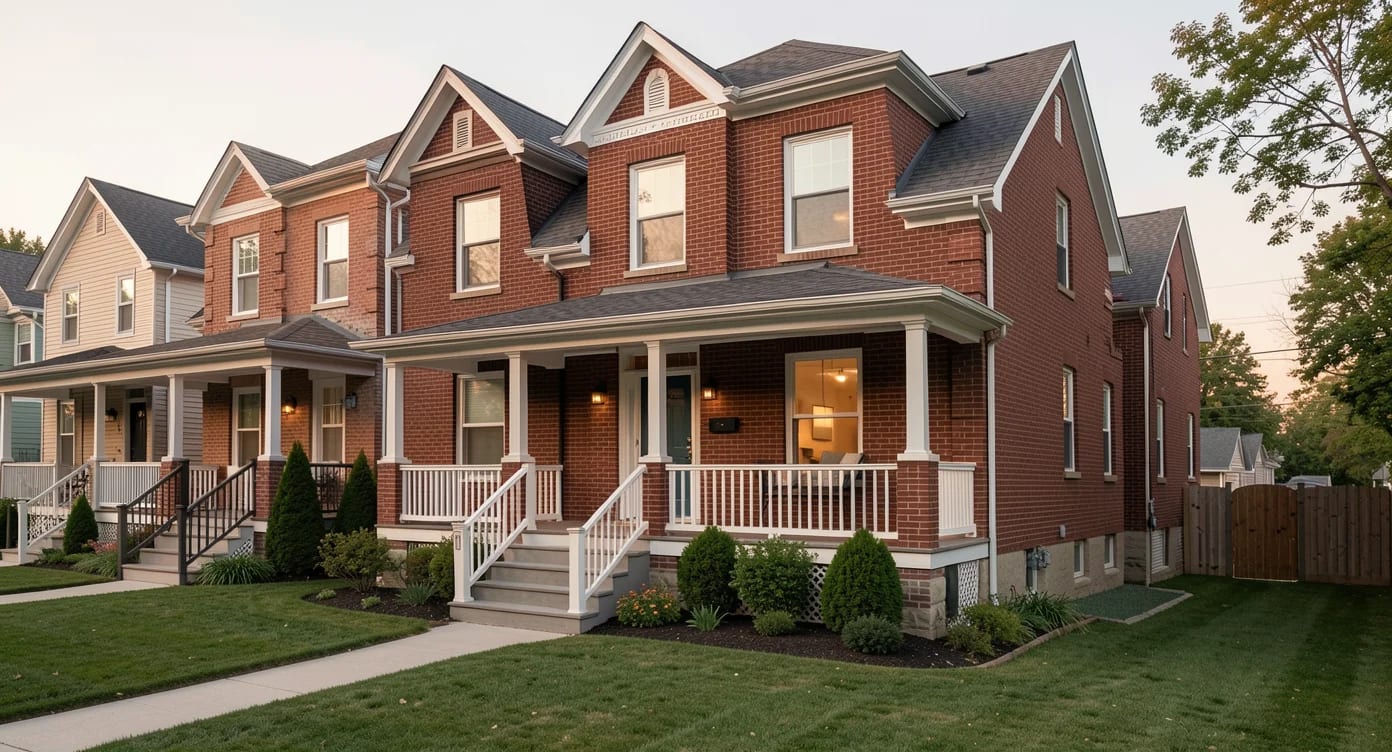
Consider the home itself alongside the setting. An attractive outdoor amenity cannot compensate for an unsuitable layout, deferred maintenance, or an asking price that stretches the budget. Treat park access as one feature in a broader comparison, not as a shortcut to an investment decision.
A park that looks close on a map may require a longer walk to a usable entrance. Check the actual route, crossings, and access points before assigning value to proximity.
It is also worth returning at different times. Parking demand, activity levels, and traffic around a park may change throughout the day or during scheduled events. These details can influence how a property feels and how an owner describes it to prospective renters or buyers.
Evaluate the rental opportunity
Start with comparable rentals rather than a proposed premium for being near a park. Look for properties with similar bedroom counts, interior condition, parking, outdoor space, and lease terms. Compare their asking rents and, where reliable information is available, actual leased rents and time on the market.
Pay attention to differences that might explain a price gap. A renovated kitchen, included utilities, in-unit laundry, or a private patio may have more influence on rent than proximity to a playground. If one property is listed for more, that does not establish what a renter ultimately paid or whether the park caused the difference.
Before relying on rental income, confirm that the intended use is permitted. Local ordinances, zoning, licensing requirements, and homeowners association or condominium rules can affect long-term leases, short-term rentals, occupancy, and other operating details. Rules and fees can change, so verify current requirements with the appropriate authorities and review governing documents before committing.
Then consider how the property would be managed. A home that needs frequent exterior upkeep or substantial repairs can absorb income even when it attracts interest. Obtain insurance quotes, review likely maintenance needs, and ask a qualified property manager about local leasing conditions if you plan to hire one.
Put the numbers on paper
A park-related premium is meaningful only if the complete purchase still works financially. Estimate annual rent, subtract an allowance for vacancy and operating expenses, and compare the resulting net operating income with the purchase price. Use conservative assumptions and update them with property-specific quotes and local rental evidence.
For illustration, suppose a property costs $400,000 and is expected to rent for $2,400 a month. That produces $28,800 in potential annual rent. A 5% vacancy allowance reduces the estimate by $1,440, leaving $27,360 before operating expenses.
If annual operating expenses total $9,600, estimated net operating income is $17,760. Dividing that figure by the purchase price produces an estimated capitalization rate of 4.44%. This example is not a market forecast: actual rent, vacancy, and expenses will differ by property.
Net operating income is calculated before mortgage payments and income taxes. A positive figure does not necessarily mean the property will produce positive cash flow after financing.
Build the expense estimate carefully. Property taxes, insurance, maintenance, management, association fees, and owner-paid utilities may all matter. Plan separately for major replacements, closing costs, financing costs, and unexpected repairs; avoid counting the same expense twice when comparing scenarios.
Run a second calculation with a longer vacancy or higher insurance and maintenance costs. If the purchase only works under the most optimistic assumptions, the nearby park may not provide enough financial cushion. A lender, accountant, or other qualified professional can help assess financing and tax questions for your circumstances.
Think about the eventual resale
When it is time to sell, buyers will evaluate the entire property and the choices available at that moment. Nearby recreation may broaden interest, but future prices depend on market conditions, competing inventory, the home’s condition, and financing costs, among other factors. There is no guaranteed park-access premium or rate of appreciation.
Ask for recent sales of similar homes both near and farther from comparable amenities. Look for meaningful differences in size, condition, lot, location, and sale terms before drawing conclusions. A small set of sales can be useful context, but it may not isolate the effect of a park from all the other reasons a buyer chose a home.
Also investigate changes that could affect the surroundings. Municipal plans, park improvements, road projects, and proposed development may alter access or activity over time. Plans can change and approval is not the same as completion, so confirm their status rather than treating a proposal as a certainty.
A practical checklist before you buy
- Walk the route from the property to the park entrance and check crossings, paths, and posted access hours.
- Compare similar rentals and recent sales, adjusting for features beyond the nearby amenity.
- Verify rental restrictions, association rules, required permits, and applicable fees.
- Estimate vacancy, operating expenses, financing, repairs, and major future replacements.
- Review the property’s condition and investigate relevant public plans before removing contingencies.
Good decisions come from combining the appeal of a place with evidence about the property itself. If park access is important to your search, Arielle Corinti can help you explore available homes and consider the questions to ask before making an offer.