

A professionally managed property may have a maintenance history, but that doesn’t mean every repair is worth making before a sale. Start with safety, water intrusion, and obvious functional problems, then weigh cosmetic updates against their cost and the likely effect on your asking price. Your property manager and real estate agent can help coordinate the work while respecting any existing lease.
Start with the property’s maintenance record
Before ordering paint or scheduling a photographer, ask your property manager for a clear picture of the home’s condition. Gather recent inspection reports, work orders, appliance information, warranties, and records of recurring issues. These documents can help distinguish a one-time repair from a problem that needs further investigation.
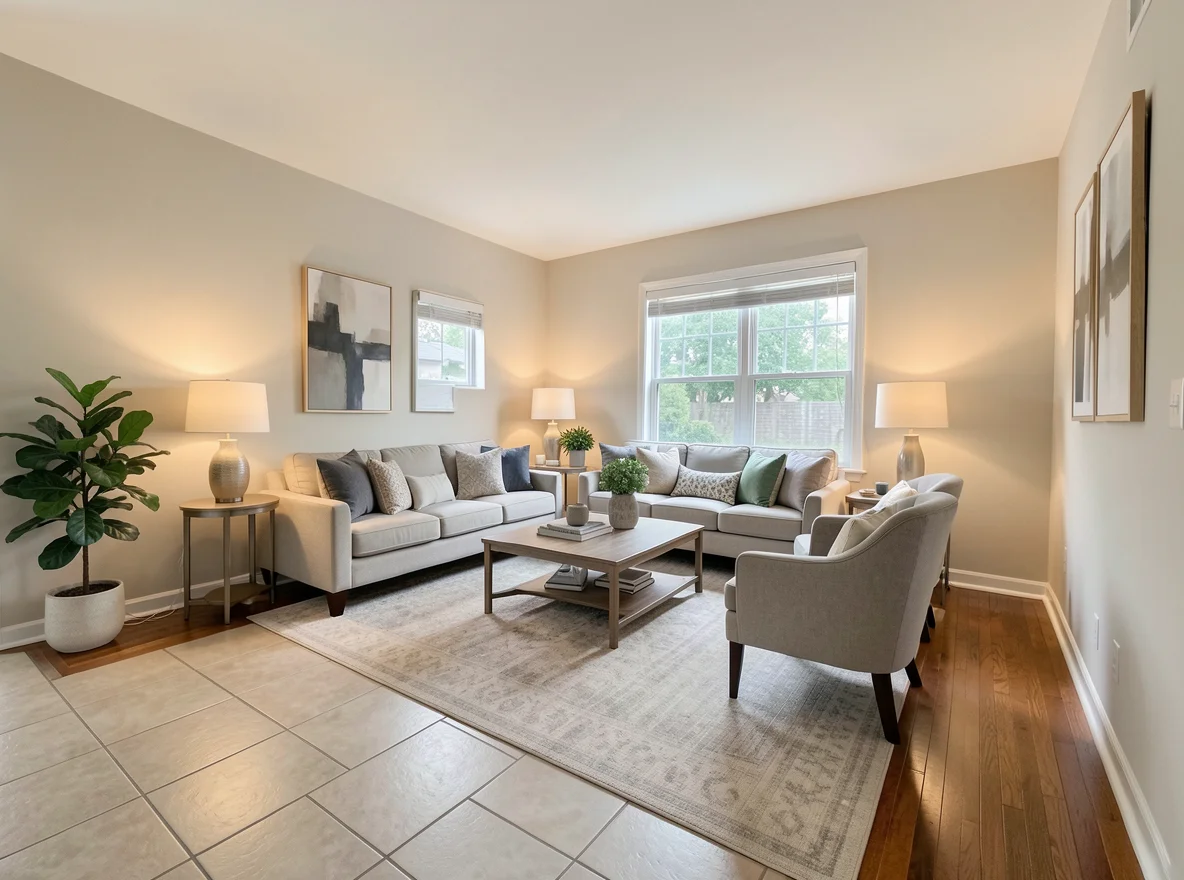
Walk through the property with your manager or another qualified professional, arranging access in accordance with the lease and applicable law. Look beyond the obvious scuffs: check for signs of leaks beneath sinks, doors that don’t close properly, damaged flooring, and heating or cooling concerns. Ask which items have generated repeated service requests and whether any estimates are already available.
Organize the findings into three groups: items affecting safety or basic function, repairs likely to be noticed during a showing or inspection, and optional improvements. A thorough list makes it easier to discuss priorities with your agent before spending money. It also provides a starting point for understanding what you may need to disclose under applicable law.
A recurring work order can be more useful than a fresh coat of paint: it may reveal an underlying issue that deserves attention before buyers schedule inspections.
Fix the problems that matter most
Begin with conditions that affect safety, habitability, or the operation of the home. Depending on what the walkthrough reveals, that could mean addressing active leaks, electrical concerns, damaged steps, malfunctioning locks, or heating and cooling equipment that isn’t working as intended. Use qualified contractors when the job calls for specialized expertise, and check whether permits are required.
Water deserves particular attention. A stain on a ceiling may be old, but simply covering it without identifying the source can leave questions unanswered. Have the cause assessed, complete appropriate repairs, and retain the invoice and any documentation. If damage suggests a larger problem, consult an appropriate specialist before deciding how to proceed.
Make a practical repair list
Once the essential work is scoped, consider smaller fixes that improve everyday function and presentation. A buyer opening a cabinet or turning on a faucet notices how the home works, not just how it photographs. Useful candidates include:
- Repairing dripping faucets, running toilets, and loose hardware.
- Adjusting sticking doors and replacing damaged screens where appropriate.
- Fixing broken light fixtures and replacing missing bulbs.
- Repairing visibly damaged flooring, trim, or walls.
- Cleaning gutters and addressing drainage concerns identified during inspection.
Not every item needs a complete replacement. An appliance that works well may only need cleaning or a minor repair; an aging system may be better addressed through accurate pricing and disclosure than an expensive upgrade. Compare estimates with the property’s condition and likely buyer expectations before committing.
Choose cosmetic updates with a purpose
After functional work is underway, focus on changes that make the property feel clean, bright, and cared for. Touch-up paint, thorough cleaning, and simple landscaping may have a more useful role than a major renovation with an uncertain return. Ask your agent which improvements are most relevant to comparable homes currently competing for buyers.

Pay particular attention to kitchens, bathrooms, and the first view from the entrance. Clean grout, polish fixtures, remove avoidable clutter, and make sure each space is well lit. Outside, trim overgrowth, clear walkways, and tidy patios or other outdoor living areas. These steps help buyers see the property’s features without requiring a complete redesign.
If the home is occupied, discuss photography and staging with the occupant and property manager rather than assuming personal belongings can be moved. Keep requests reasonable, arrange access appropriately, and avoid photographing personal documents or identifying details. For a vacant property, modest staging can help show how a room functions, but it should never conceal damage or restrict access to features buyers need to inspect.
Before approving a larger project, get a written estimate and a realistic completion schedule. Consider whether the work may delay the listing, interrupt occupancy, or uncover additional repairs. A consultation with your agent can help you decide whether to finish the project, offer the property as it is, or adjust the asking price to reflect its condition.
Coordinate the sale with your property manager
A managed property comes with paperwork and responsibilities that extend beyond the repair list. Review your management agreement for notice requirements, sale-related fees, and the process for ending or transferring management. Ask who will coordinate vendors, hold keys, respond to maintenance requests, and communicate with occupants while the property is listed.
If the home is rented, review the lease and applicable laws before setting showing or closing plans. A sale does not automatically eliminate an existing lease, and rules governing access, notices, deposits, and occupancy vary. Consult a local real estate attorney or other qualified professional when you need guidance; do not promise a vacant closing unless you can satisfy that commitment lawfully.
Before choosing a closing timeline, confirm the lease terms and who will handle the security deposit and rental records at transfer.
Keep a folder of leases, payment records, service contracts, permits, warranties, and repair invoices. Your agent can help identify documents buyers may request, while your manager can explain ongoing expenses and maintenance history. Share information accurately and discuss required disclosures with your agent or attorney; completing a repair does not necessarily remove a disclosure obligation.
Price for the property you are selling
A thoughtful asking price reflects more than the money you have spent on preparation. Review recent comparable sales and competing listings with your agent, considering location, size, condition, and features. If the property is occupied, the lease terms and income information may also affect how some buyers evaluate it. Avoid assuming that every dollar spent on an improvement will be recovered at closing.
Discuss more than one scenario: the likely positioning after key repairs, the implications of leaving optional updates to a buyer, and the time and cost associated with each choice. A pricing conversation grounded in current evidence can help you decide where the preparation budget does the most work.
The strongest preparation plan is usually a focused one. Address meaningful defects, keep records, coordinate respectfully with everyone involved, and present the home honestly. With your manager and agent working from the same plan, you can move toward listing with a clearer sense of the costs, timing, and decisions ahead.