A new development may offer modern finishes and fewer immediate repairs, but a promising purchase price is only the beginning of an ROI calculation. Estimate the full cost to acquire and operate the property, test realistic rental income, and examine the rules that could affect your options. A few scenarios can reveal whether the numbers still work when the unexpected happens.
Start with the complete purchase cost
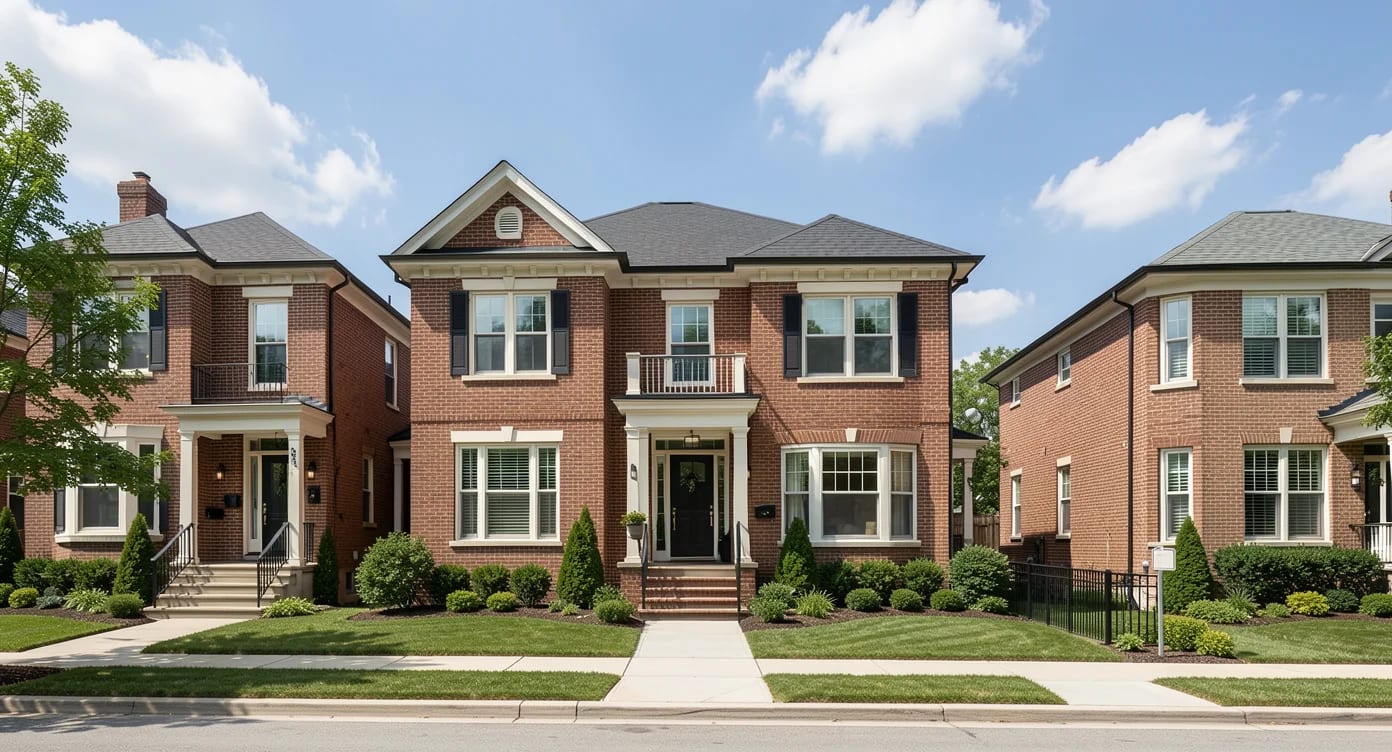
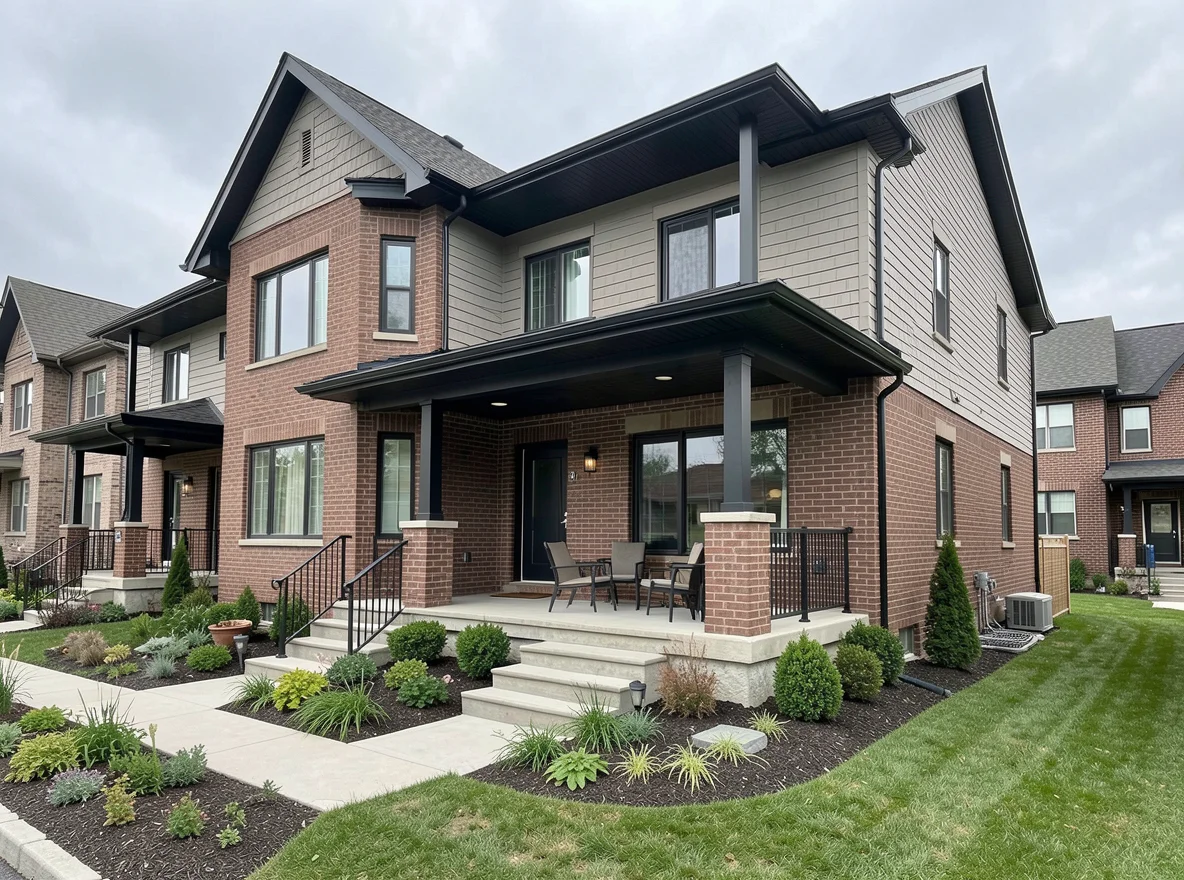
New construction can be appealing: everything feels fresh, the layout may reflect current preferences, and some components may be covered by a builder’s warranty. For an investment-minded buyer, though, the question is not simply whether the home looks good. It is whether its potential income and future value justify the cash and risk involved.
Begin with the contract price, then add the expenses needed to close and make the property ready for its intended use. Depending on the agreement, those may include closing costs, lender fees, inspections, insurance, furnishings, landscaping, window coverings, appliances, and upgrades that are not included in the advertised base price. Ask for an itemized estimate rather than assuming the model home’s finishes come standard.
Builder incentives deserve the same scrutiny. A closing-cost credit or rate buydown can be valuable, but compare the total financing and purchase terms with other available options. Some incentives may depend on using a particular lender or closing by a specified date. Read the conditions and ask your lender to show the effect on both upfront cash and ongoing payments.
A lower advertised base price can become a different investment once upgrades, closing costs, and items needed before occupancy are included.
If you plan to live in the property rather than rent it immediately, the calculation changes. Your return may include future sale proceeds and avoided housing costs, but those benefits are uncertain and personal. Compare the expected cost of ownership with alternatives, including renting or buying an existing home, without treating appreciation as guaranteed.
Estimate rent using evidence, not the brochure
For a potential rental, look for recently leased properties with similar bedroom counts, square footage, parking, outdoor space, and amenities. A dedicated workspace or convenient storage may influence what renters value, but the premium for those features should be supported by comparable rentals rather than assumed.
Review asking rents as well as completed leases when that information is available. Asking prices show what owners hope to receive; completed leases can offer a more useful indication of what renters actually agreed to pay. Consider how many similar units in the development could become available at the same time, especially when a large phase is delivered.
Annual gross rent is only the starting point. Allow for vacancy between leases, time needed for cleaning or repairs, and potential collection losses. A property that could rent for $2,500 a month does not necessarily produce $30,000 in collected rent every year. Test a more conservative scenario alongside your best estimate.
Explore new development listings
Check whether renting is permitted
Before relying on rental income, review the governing documents and applicable local rules. An association may restrict lease lengths, limit the number of rentals, require approval, or impose waiting periods. Short-term rental rules can differ from those for longer leases. Confirm the details in writing and understand whether proposed rules could change before you close.
Build an operating budget that lasts
New construction can reduce some near-term maintenance concerns, but it does not eliminate ownership expenses. Create an annual budget for property taxes, insurance, association dues, utilities you will pay, routine maintenance, management, leasing costs, and a reserve for future repairs or replacements.
Pay particular attention to taxes and association fees. A tax bill based on undeveloped land or an incomplete property may not reflect the eventual assessment. Ask the relevant taxing authority how a completed home is assessed, and budget for possible changes. Review the association’s proposed budget, reserves, and documents for information about dues and potential special assessments.
Insurance is another figure to verify with a current quote, not a rough estimate from a different property. Coverage needs depend on the home, its location, the association’s policy, and whether you occupy or rent it. Ask what the policy covers, what deductibles apply, and whether additional coverage is needed.
A builder’s warranty is not a substitute for an operating reserve: exclusions, deductibles, future replacements, and ordinary upkeep can still affect your budget.
Ask for the warranty terms and the process for reporting defects. An independent inspection, where permitted, can also help identify issues before closing. For a property that is still under construction, confirm the anticipated completion schedule, your inspection opportunities, and the contract provisions that apply if delivery is delayed.
Calculate returns and test the assumptions
Two useful measures are capitalization rate and cash-on-cash return. Net operating income, or NOI, is collected rental income minus operating expenses; it does not subtract mortgage payments. Divide NOI by the total acquisition cost to compare an unleveraged operating yield. Cash-on-cash return considers annual cash flow after debt service relative to the cash invested.
Consider an illustrative purchase with a $400,000 price and $10,000 in closing costs. Assume $30,000 in annual potential rent, $1,500 in vacancy and collection losses, and $8,500 in annual operating expenses. That leaves $20,000 in NOI. Dividing by the $410,000 acquisition cost gives an approximate 4.9% cap rate on that cost basis.
Now assume an $80,000 down payment, $10,000 in closing costs, and $18,000 in annual mortgage payments. The estimated cash invested is $90,000, and annual cash flow after debt service is $2,000. That produces an approximate 2.2% cash-on-cash return. This simplified example excludes income taxes, major capital improvements, changes in value, and sale costs; it is not a forecast.
Change one assumption at a time. What happens if rent is lower, the home sits vacant longer, insurance rises, or association dues increase? Then combine several less favorable assumptions. If the purchase only works when every estimate is optimistic, reconsider the price, financing, or amount of cash you are prepared to keep in reserve.
Plan for resale and compare your options
Future resale value depends on conditions that are difficult to predict, including competing inventory, financing costs, buyer preferences, and the condition of the property. A later phase of the same development may compete with your home if the builder is still offering new units or incentives. Include estimated selling costs in any exit scenario and consider how long you could hold the property if the market changes.
Compare the development with existing homes as well as other new construction. Look beyond finishes to practical details: usable outdoor space, parking, storage, layout, access to amenities, and ongoing fees. Ask your real estate professional for relevant local comparisons, and consult a lender, tax professional, or attorney when financing, tax treatment, or contract terms need closer review.
A sound ROI estimate is a decision tool, not a promise. By documenting your assumptions, checking rental restrictions, and allowing room for expenses and uncertainty, you can compare opportunities with greater clarity and choose a purchase that fits your plans.