
An ocean view can influence a home’s appeal, marketing strategy, and final sale price—but not every glimpse of water carries the same value. Learn how view quality, permanence, location within the home, and maintenance considerations shape an ocean-view premium so you can evaluate a purchase or prepare a listing with clearer expectations.
What Buyers Are Really Paying For
Ocean views create an immediate emotional response: changing light on the water, a horizon beyond the windows, and an outdoor setting that feels connected to the coast. That response can translate into a meaningful premium, but the premium is rarely based on the word “ocean” alone. Buyers typically compare the quality of the view, how often it can be enjoyed, the home’s overall condition, and the availability of similar properties before deciding what the view is worth.
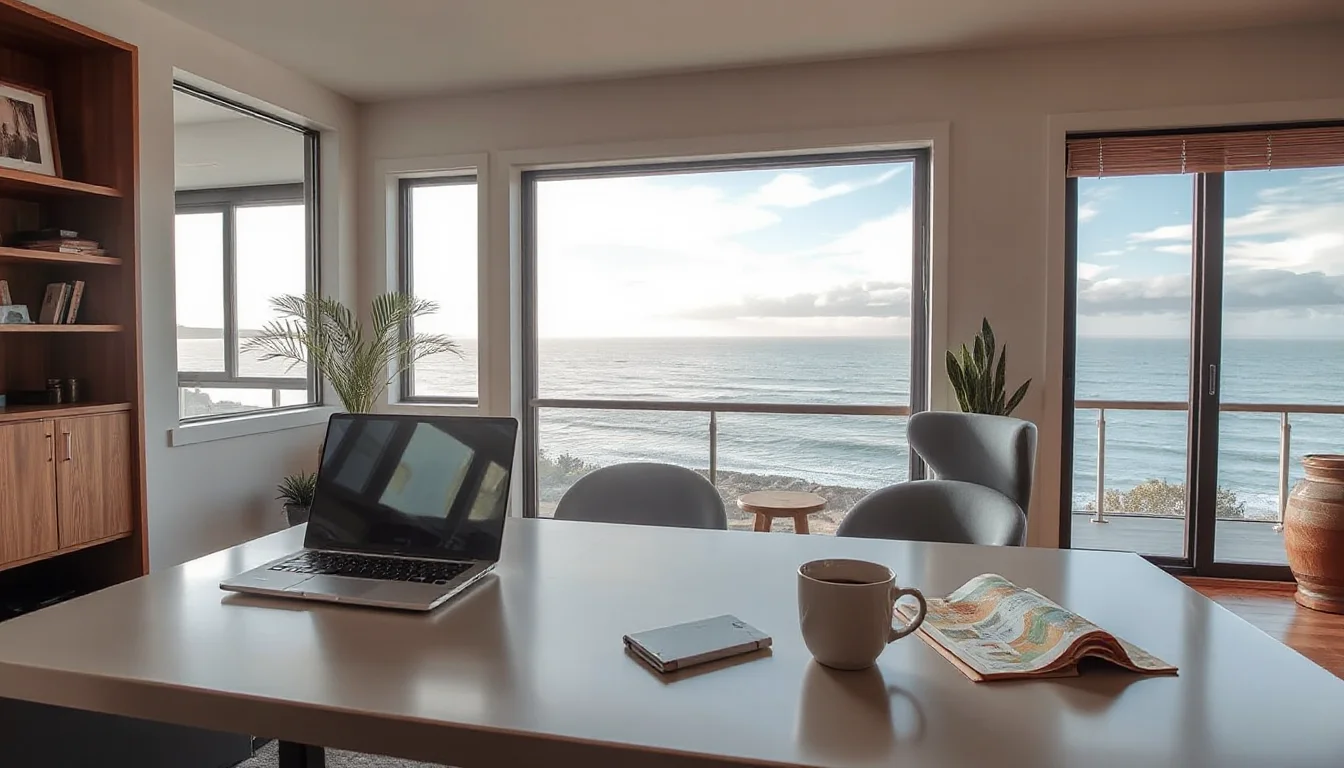
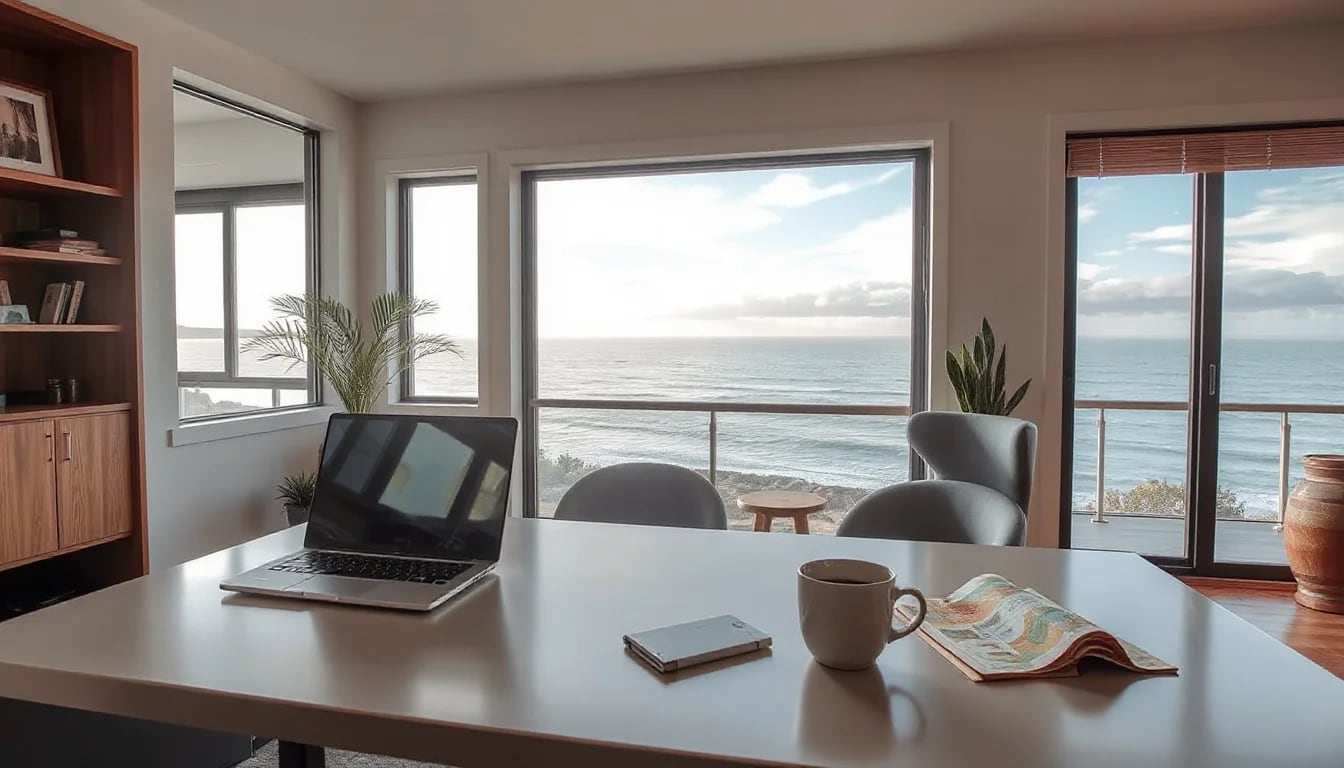
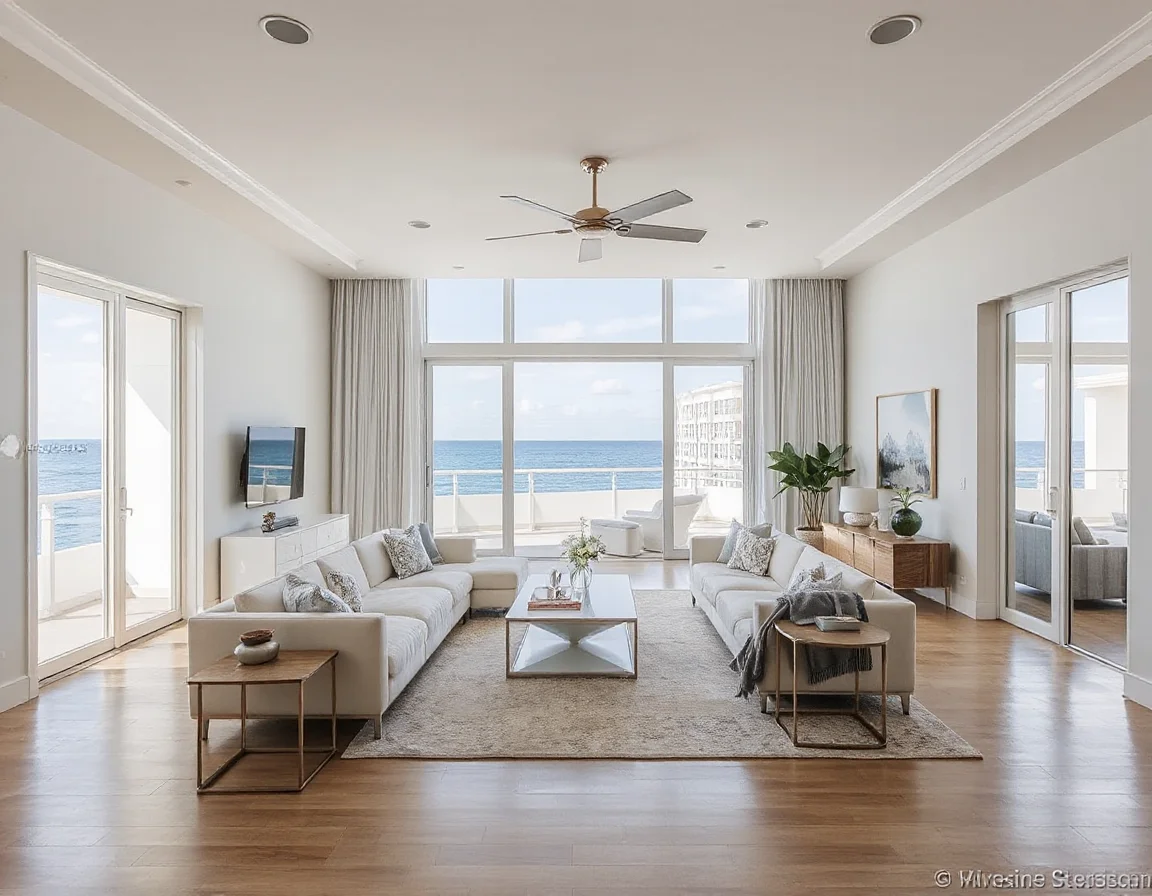
A direct, unobstructed water view from primary living areas generally carries more weight than a distant view visible only from one window. Sightlines matter. A home where the kitchen, living room, terrace, or bedroom opens toward the water may feel notably different from one with a narrow glimpse between neighboring buildings. Floor level, window placement, balcony depth, and the orientation of outdoor living spaces can all influence how the view is experienced day to day.
It is also helpful to separate an oceanfront location from an ocean-view location. Oceanfront homes may command value for direct shoreline access or proximity, while homes set farther inland can still command a premium when they offer a compelling elevated view. Neither is automatically “better”; the appropriate comparison depends on the property type, condition, location, and current inventory.
The most persuasive ocean-view comparison is a recently sold property with a similar view corridor, condition, square footage, and outdoor space—not simply another home located near the coast.
For buyers, the key question is whether the price difference reflects an enduring feature that matters to you. Consider how the view looks from the rooms you will use most, at different times of day and in different seasons. Visit during daylight if possible, step onto balconies or patios, and look beyond the staged furniture. A beautiful view can be a lasting benefit, but it should be evaluated alongside building condition, insurance costs, association rules, access, parking, and the practical features that support everyday use of the home.
How View Quality Affects Value
Not all water views are equal, and valuing them requires more nuance than a simple percentage added to a comparable sale. Real estate professionals often think in terms of view tiers: direct and open ocean views, partial views, distant views, and views that may be seasonal or vulnerable to future obstruction. The difference between those tiers can be substantial, especially in buildings or neighborhoods where only a limited number of homes face the water.
View permanence deserves special attention. A vacant lot, low-rise structure, or tree-lined corridor may currently create an open vista, but future construction, vegetation growth, or changes to nearby property can affect the sightline. Buyers should review local zoning information, ask about known development plans when available, and understand that an informal view corridor is not necessarily protected. Sellers benefit from being precise as well: describe what is visible today without making promises about future conditions.
The view’s relationship to the home also matters. A smaller residence with exceptional windows, a functional terrace, and a well-designed indoor-outdoor connection may compete strongly with a larger residence whose water view is secondary. Conversely, an impressive view does not erase deferred maintenance, an inefficient floor plan, dated systems, or a setting that makes the home difficult to use. The market usually rewards the complete package rather than one standout feature in isolation.
In condominium buildings, buyers should compare similar stacks, floors, and exposures whenever possible. A higher floor may offer a clearer horizon, while a lower floor may have a more immediate connection to the shoreline, landscaping, or marina activity. In single-property settings, lot elevation, setbacks, window heights, and neighboring structures can create equally important distinctions. Detailed listing photos are helpful, but an in-person visit remains the best way to understand a view’s scale and character.
Costs and Questions to Include in the Decision
Coastal ownership can involve expenses that deserve equal attention alongside the view premium. Depending on the home and location, buyers may encounter higher insurance costs, wind mitigation requirements, flood-zone considerations, salt-air wear on exterior finishes, balcony maintenance, or association assessments for building improvements. These costs do not eliminate the value of an ocean view, but they should be included in the total ownership picture before making an offer.
Ask for documents early. For a condominium, review association financials, rules, reserve information, recent meeting minutes, and planned capital projects. For a detached home, inquire about roof age, windows, drainage, seawall or dock conditions where applicable, exterior materials, and previous storm-related repairs. Understanding the property’s maintenance history can help distinguish a sound premium from a price that may leave too little room for future upkeep.
Buyers should also think about resale. Broad appeal often comes from features that are easy to recognize: natural light, a clear view from primary rooms, usable outdoor space, thoughtful updates, and a well-maintained setting. If you are stretching your budget for a view, consider how the home compares with other options in its price range. A premium can make sense when it aligns with the property’s condition and the local market, rather than relying solely on a scenic first impression.
A Smarter Strategy for Ocean-View Sellers
For sellers, pricing an ocean-view home begins with accurate positioning. Start by identifying the rooms and outdoor areas where the water is most visible, then make those spaces easy to experience. Clean windows, reduced visual clutter, trimmed landscaping where appropriate, and furniture arranged to support the sightline can help buyers understand the home’s strongest asset without overstating it.
Photography and timing matter, too. Images captured in clear weather and balanced natural light can show the relationship between the interior and the view, while a property visit gives buyers the context that photos cannot. If the home includes a balcony, terrace, covered patio, or garden area oriented toward the water, present it as a functional extension of the living space. The goal is not to oversell a lifestyle; it is to clearly show how the property works.
A thoughtful comparative market analysis should account for more than distance to the shoreline. It should evaluate view quality, elevation, condition, square footage, updates, outdoor areas, building amenities when applicable, and recent competing listings. An ambitious price can cause buyers to compare the home against properties with stronger direct views or more extensive improvements, while an underpriced home may fail to reflect a meaningful differentiator.
Make the Premium Work for Your Goals
Ocean views are among the most memorable features in real estate, yet the best decisions come from pairing that emotional appeal with careful analysis. Buyers can protect their budget by studying comparable properties, confirming the durability of the view, and calculating the full cost of ownership. Sellers can support their price by preparing view-facing spaces, documenting the home’s condition, and comparing it to genuinely similar properties.
Whether you are considering a coastal purchase or planning a sale, focus on the details that make the view meaningful: what you can see, where you can enjoy it, how likely it is to remain, and how the home performs beyond the horizon. That balanced approach turns an appealing feature into a well-informed real estate decision.