
A home inspection is one of the most useful moments in a Tampa Bay purchase—not because every finding should end a deal, but because it gives buyers a clearer picture of maintenance, repair costs, and next steps. From roofing and moisture management to HVAC performance and permits, knowing which findings deserve attention can help you negotiate thoughtfully and plan with confidence.
Look Beyond the Fresh Paint
A bright kitchen, updated flooring, and a well-kept yard can make a strong first impression, but an inspection is where a buyer gets to understand how the property works behind the finishes. In Tampa Bay, the local climate adds a few important items to the usual inspection checklist: intense sun, heavy rain, humidity, wind exposure, and long air-conditioning seasons can all affect a home’s systems over time.
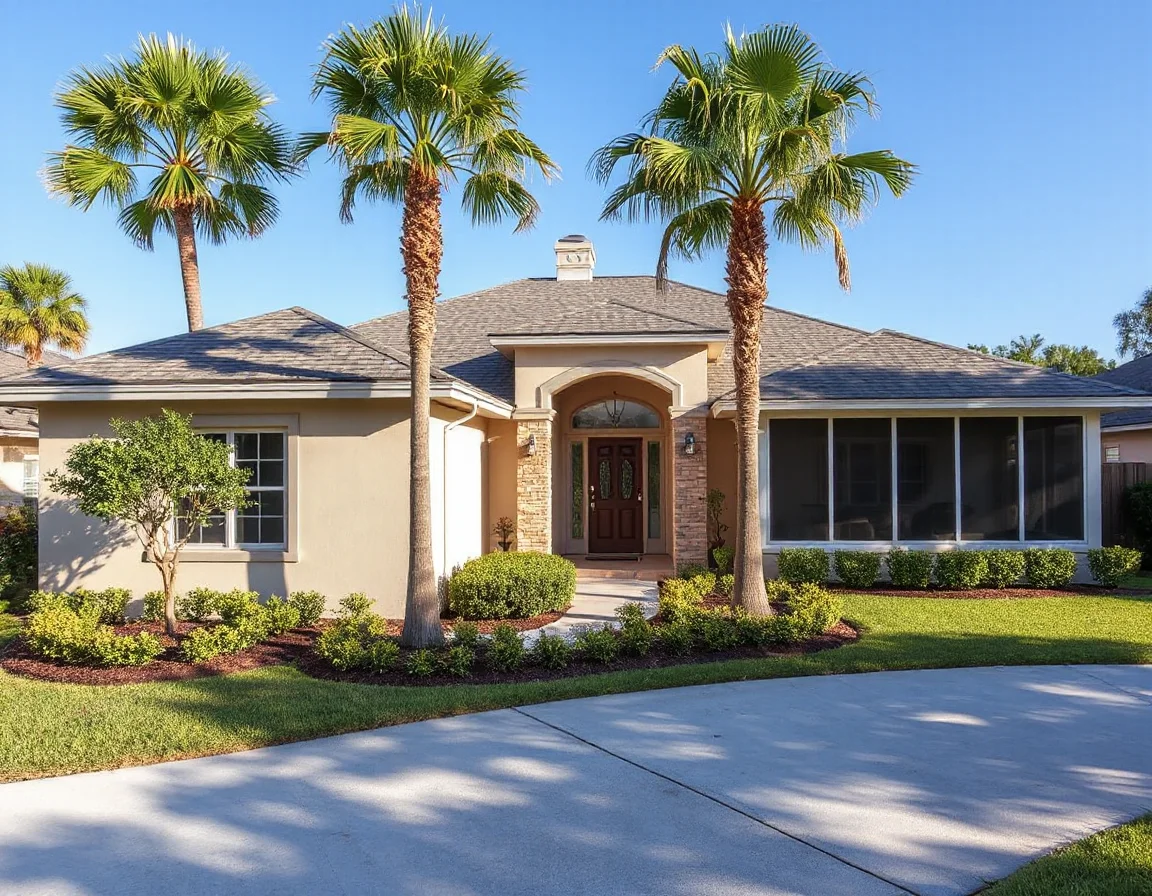
The goal is context, not perfection. Nearly every inspection report will contain notes, even in a recently built home. Small caulk gaps, a loose outlet cover, aging weatherstripping, or a missing GFCI label may be straightforward maintenance items. The most important findings are generally those that affect structural performance, water intrusion, electrical safety, major mechanical systems, insurability, or the ability to use the home as intended.
Buyers can get the most value from an inspection by attending the final walkthrough with the inspector whenever possible. That conversation is often more helpful than simply reading a lengthy report later. Ask what needs immediate attention, what should be monitored, which repairs require a licensed specialist, and what routine maintenance should be budgeted over the next few years.
A long report is not automatically a bad report. Thorough inspectors document even minor items; the real priority is separating routine upkeep from conditions that may affect cost, safety, or future performance.
It is also helpful to remember that inspections are visual, noninvasive evaluations. They are not warranties, code-compliance guarantees, or predictions that a component will last a specific number of years. If the inspector identifies a concern—such as an active roof leak, possible mold-like growth, or an electrical issue—follow-up evaluation by the appropriate qualified professional can provide the detail needed for an informed decision.
Roofing, Drainage, and Signs of Moisture
In the Tampa Bay area, water management is one of the first places buyers should focus. Rain can arrive quickly and heavily, while heat and ultraviolet exposure can shorten the useful life of exterior materials. A roof does not need to be visibly leaking to deserve closer attention; curled or missing shingles, cracked tiles, worn flashing, exposed fasteners, soft spots, and patched areas may all warrant questions about age, maintenance, and remaining service life.
Ask the inspector whether visible conditions suggest repairs, replacement planning, or further review by a roofing contractor. Request available documentation for roof work, permits, warranties, and transferable coverage. Insurance requirements can vary by carrier and policy, so buyers should also speak with an insurance professional early in the process rather than waiting until the final days before closing.
Drainage is closely connected to roof condition. Gutters, downspouts, grading, exterior drains, and the way water moves away from the foundation all matter during Florida’s rainy season. Water staining on soffits, ceilings, walls, or around windows should be evaluated carefully. Some staining may be old and repaired, but the key question is whether moisture is active, recurring, or connected to a larger problem.
Pay attention to exterior features that enhance outdoor living as well. Screened enclosures, patios, decks, pools, spas, outdoor kitchens, and shade structures can add daily enjoyment, yet each comes with components to inspect. Look for corrosion, settlement, damaged screens, loose railings, cracked surfaces, aging seals, and equipment that needs servicing. For homes with pools, a dedicated pool inspection can be a smart complement to the general inspection.
Get guidance for your home purchase
Air Conditioning, Electrical Panels, and Plumbing Clues
Air conditioning is not a minor convenience in Tampa Bay—it is a core home system. During the inspection, buyers should review the age and visible condition of the condenser, air handler, ducts, drain line, insulation, and accessible electrical connections. An inspector may test the system’s operation under the conditions present that day, but a specialist may be needed if cooling performance, drainage, airflow, unusual sounds, or visible corrosion raises concern.
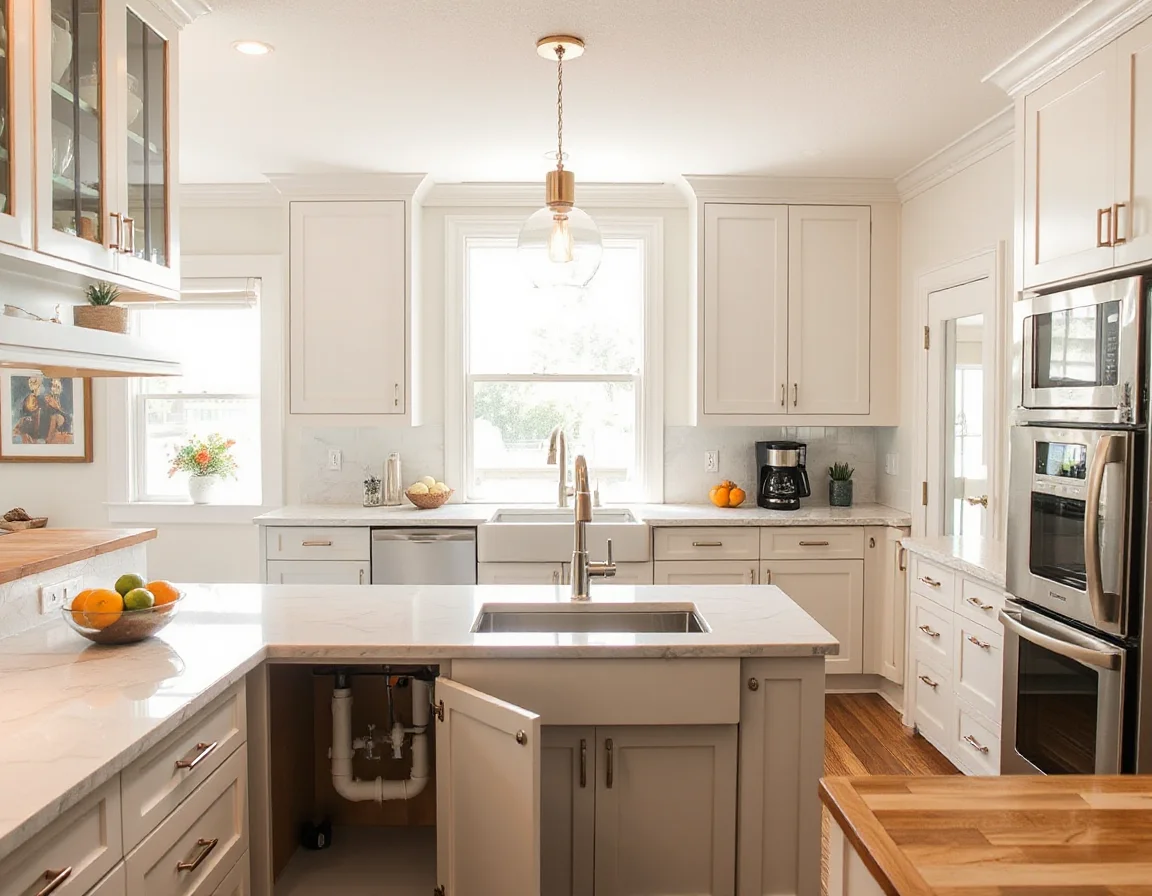
One commonly overlooked red flag is a clogged or poorly maintained condensate drain line. In a humid climate, these lines can back up and cause water damage around an air handler if they are not regularly cleaned. Ask whether the drain setup is visible, whether there are signs of prior overflow, and whether a float switch or other protective device is present. A service history can be especially valuable when the system is nearing the latter part of its expected lifespan.
Electrical findings deserve clear follow-up, particularly when a report identifies double-tapped breakers, missing covers, damaged wiring, improper grounding, outdated components, or panel conditions that require an electrician’s review. Older homes may have electrical systems that have been modified over several decades. That does not automatically make them unsuitable, but it does make documentation, professional evaluation, and realistic repair estimates important.
For plumbing, inspect the visible supply lines, drains, shutoff valves, water heater, fixtures, and cabinets beneath sinks. Slow drains, corrosion, active leaks, moisture damage, or staining may point to repairs ranging from simple fixture maintenance to more extensive work. If a home has older drain lines or recurring drainage concerns, a sewer scope can provide useful information that a standard inspection may not reveal.
When a major system is near the end of its expected service life, ask for a replacement estimate before negotiating. Knowing the likely cost helps turn a vague concern into a practical buying decision.
Permits, Additions, and Exterior Improvements
A home can have appealing upgrades that deserve a closer look. Converted garages, enclosed patios, room additions, detached structures, newer windows, solar equipment, pool improvements, and outdoor living areas may involve permits or approvals. Buyers should not assume that a finished space was built with the required documentation simply because it looks polished or appears on a listing description.
Request available records and verify details through the appropriate local jurisdiction when needed. This is particularly important when an addition changes the home’s square footage, bedroom count, electrical system, plumbing, roofline, or use of a space. Unpermitted work can create complications with financing, insurance, resale, future renovations, or repair responsibility. A clear paper trail can be just as valuable as a visually appealing upgrade.
Windows and doors are another Tampa Bay inspection focus. Look for broken seals, fogging between panes, damaged frames, failed weatherstripping, difficult operation, or evidence of water intrusion. If impact-rated openings are advertised, confirm what documentation is available and ask your inspector to note visible labeling and installation concerns. This information may matter for maintenance planning and should be reviewed with the appropriate insurance professional.
Use the Inspection Period Strategically
Inspection findings are most useful when they are organized into a practical plan. Start with health and safety items, active water intrusion, structural concerns, major system defects, and issues that may affect financing or insurance. Then consider upcoming maintenance and cosmetic projects separately. A thoughtful request is usually more productive than a long list of minor items, especially when it is supported by inspection language, contractor opinions, and realistic estimates.
Before your inspection period ends, review the report, seller disclosures, repair invoices, permit information, and specialist evaluations together. Your real estate professional can help you understand the options available under your contract, whether that means requesting repairs, seeking a credit where appropriate, moving forward with a maintenance plan, or deciding that further investigation is needed.
A careful inspection does more than identify problems—it helps buyers see the home with open eyes. With the right questions, qualified follow-up, and a clear sense of priorities, you can make a decision based on the property’s condition, your budget, and the repairs you are prepared to take on.