
Condo and HOA rules can shape both the cost and day-to-day use of a Tampa Bay home. Before making an offer, learn how to review association documents, budget for recurring fees, and spot practical restrictions that matter to your plans. A careful review early in the process can turn a complicated document package into a confident decision.
Why Association Rules Deserve an Early Look
Buying a condominium, townhome, or home in a planned community around Tampa Bay often means buying into an association as well as buying real estate. The association may maintain shared landscaping, roofs, exterior finishes, private roads, amenities, drainage systems, or common outdoor spaces. In return, owners typically pay regular assessments and agree to follow recorded rules designed to guide how the community operates.
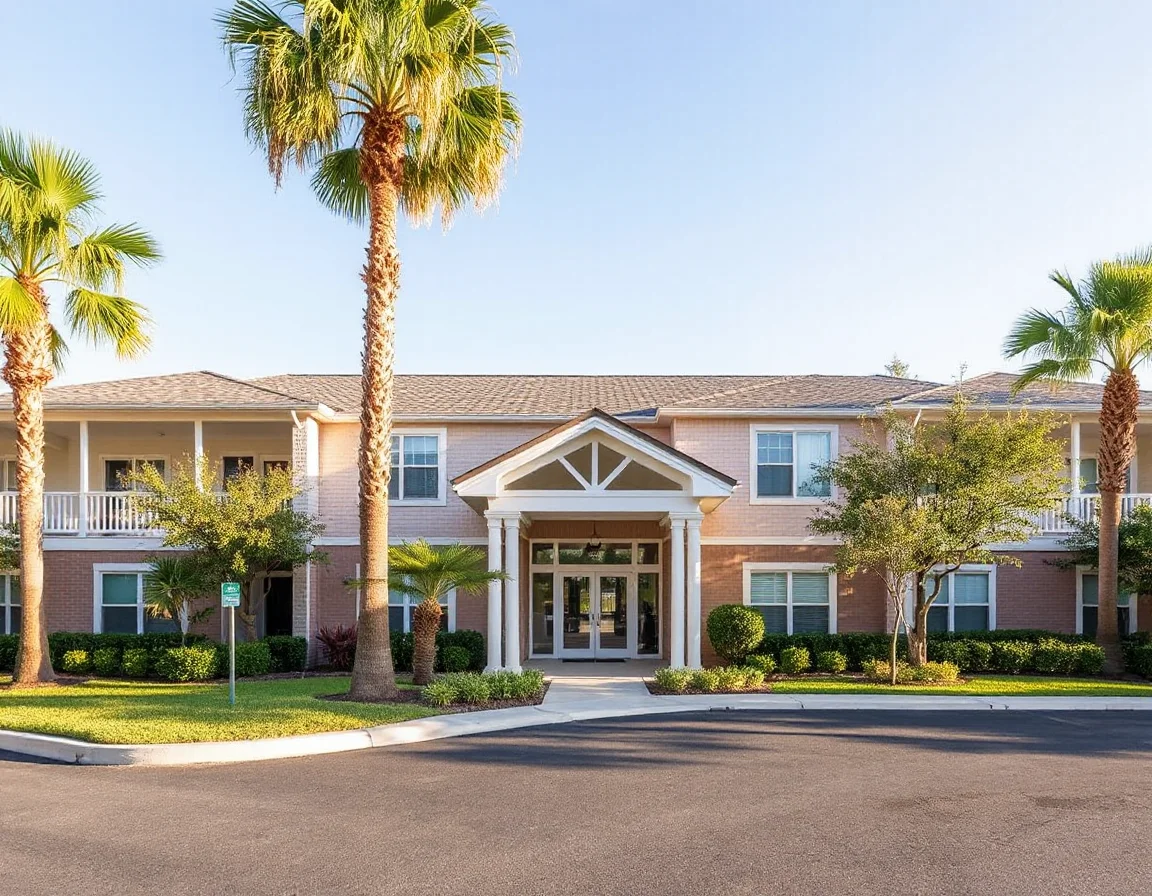
That arrangement can be appealing: less individual responsibility for certain exterior projects, coordinated upkeep, and clear standards for shared property. Still, the details vary enormously. One community may include water, trash service, building insurance, and exterior maintenance in its monthly assessment, while another may cover only common landscaping and a small amenity area. A low monthly fee is not automatically a bargain, and a higher fee is not automatically a concern; the key is understanding exactly what the association is responsible for funding.
Rules can also affect everyday decisions. Documents may address leasing, parking, pets, balconies, exterior décor, renovations, grills, storage, and use of common areas. For buyers considering outdoor living features, it is especially important to confirm which spaces are private, limited common elements, or common property, and whether changes such as screens, planters, lighting, or patio improvements require association approval.
The most useful question is not simply “What is the HOA fee?” Ask what the fee covers today, what major components the association maintains, and whether reserves appear adequate for future work.
Florida condominium associations have received heightened attention in recent years because of evolving inspection, reserve, and financial-planning requirements. Buildings and associations differ in age, design, and maintenance history, so buyers should avoid assumptions based on a listing description alone. Reviewing the available records with qualified real estate, legal, lending, and insurance professionals can help clarify how a particular property fits into the current Florida landscape.
The Documents That Tell the Real Story
Association documents may arrive as a substantial package, but a focused review can make the material manageable. Start with the declaration, bylaws, rules and regulations, current budget, recent financial statements, meeting minutes, insurance information, and any disclosures supplied by the seller or association. Each document answers a different question about ownership, governance, expenses, and future planning.

The budget shows how the association plans to pay for its obligations during the current year. Look for the main income sources, recurring operating costs, insurance line items, management expenses, utilities, landscaping, maintenance, and reserve contributions. Consider whether the budget reflects the condition and needs of the property, not merely whether the monthly number fits your initial estimate.
Reserve information addresses funds set aside for larger repairs and replacement projects. Depending on the type of community, reserves may relate to roofs, paving, paint, elevators, pools, plumbing systems, structural components, or other shared assets. A reserve study, engineering report, or inspection record can provide useful context, though buyers should understand what document is being reviewed and when it was prepared.
Meeting minutes can reveal topics being actively discussed by the board, such as bids for repairs, insurance renewals, maintenance projects, rule updates, or assessment planning. Minutes are not a prediction of the future, but they can help identify questions worth asking. If a major project appears repeatedly, ask whether it has been approved, how it may be funded, and whether an assessment has already been levied or remains under consideration.
It also helps to distinguish between an HOA and a condominium association. An HOA frequently governs a neighborhood of separately owned homes, while a condominium association commonly has responsibilities tied to shared buildings and common components. Some Tampa Bay properties may be subject to more than one association, creating separate fees, rules, and document sets. Confirm every applicable association before calculating the true monthly cost of ownership.
Explore condo and HOA-managed listings
Questions to Ask Before You Make an Offer
Good due diligence is specific. Rather than asking whether an association is “good” or “bad,” ask clear, document-based questions. Is the monthly assessment current, and when was it last changed? Are there pending special assessments, approved capital projects, or material litigation disclosures? What insurance does the association carry, and what coverage must an individual owner obtain? Are there rental or occupancy rules that could affect your plans? What is the approval process for improvements?
For a condo, clarify the boundaries of the unit and the association’s maintenance obligations. Windows, doors, balconies, plumbing lines, exterior walls, roofs, and HVAC components may be assigned differently depending on the governing documents. Your property inspection and insurance conversations should be coordinated with those boundaries in mind. A condominium purchase can involve several layers of review, and it is wise to leave enough time in the contract process to read documents carefully and seek professional advice.
Parking deserves a close look as well. Ask whether spaces are deeded, assigned, first-come, or available by permit; determine where guests may park; and review any limits on commercial vehicles, motorcycles, boats, trailers, or electric-vehicle charging equipment. If storage, a garage, or access to a waterfront or pool area is important to you, verify the relevant policies in writing rather than relying on an informal explanation.
For homes with patios, lanais, yards, or balconies, ask about architectural review standards before planning upgrades. Associations may regulate paint colors, fencing, landscaping, screens, hardscape, fixtures, satellite equipment, and exterior additions. These guidelines can preserve a consistent appearance, but they also establish a process that buyers should understand before committing to a project budget.
Budget Beyond the Monthly Assessment
A complete ownership budget should include more than the advertised association fee. Add mortgage costs, property taxes, utilities, insurance, routine interior maintenance, and any services not provided by the association. In Tampa Bay, insurance deserves particular attention because coverage needs and premiums can vary based on property type, location, construction, deductibles, and association master-policy terms.
Special assessments are another important consideration. These are charges beyond regular assessments, typically used for expenses not fully covered by operating income or reserves. They may be paid in a lump sum or over time depending on association policy and project structure. The presence of an assessment does not, by itself, define a community’s financial health; major projects can be necessary and responsible. What matters is understanding the purpose, amount, payment schedule, and status before you close.
Buyers should also remember that association policies can change through board action or member votes within the limits of governing documents and applicable law. Review the rules as they exist today, then ask about proposed amendments or recently adopted changes. This is especially helpful when a feature such as leasing flexibility, pet policies, renovation plans, or amenity access is central to your decision.
Keep a simple comparison sheet for each property: monthly fee, included services, reserves, insurance responsibilities, known projects, rental policies, parking, and approval requirements. It makes side-by-side decisions far clearer.
Move Forward With Clear Information
Condo and HOA living can offer well-maintained shared spaces, coordinated exterior care, and access to amenities that may be difficult to manage individually. The strongest purchase decisions come from matching a property’s rules, costs, and maintenance structure with your own practical priorities. Read the documents, ask follow-up questions, and use the review period to confirm details rather than rushing past them.
Arielle Corinti can help buyers evaluate available property information, compare communities, and identify the questions to raise before moving ahead. With the right preparation, association documents become less intimidating and far more useful: a clear guide to the responsibilities, expenses, and possibilities that come with a Tampa Bay home.