

Parks, playground access, and HOA structure can shape day-to-day living just as much as square footage or finishes. When you compare new developments carefully, you can spot which communities offer useful outdoor amenities, realistic monthly costs, and rules that match how you want to use your home. A little homework up front often leads to a more confident purchase and fewer surprises after closing.
Why outdoor amenities matter in a new development
When people tour new construction, it is easy to focus on kitchens, flooring packages, and builder incentives. Those details matter, but so does the space outside your front door. A neighborhood park, walking path, shaded seating area, or playground can influence how often residents spend time outdoors, how the community feels on a typical weekday, and how convenient it is to enjoy fresh air without getting in the car.

In a well-planned development, outdoor amenities are not just decorative. They create functional gathering points, add visual breathing room between homes, and can support a more connected streetscape. A pocket park with lighting and seating feels very different from an undeveloped grassy corner shown on a site map. Likewise, a playground that is centrally located and maintained by the HOA offers a different experience than one that sits at the edge of the property with little shade or oversight.
As you compare communities, ask practical questions. How far is the nearest green space from the homes you are considering? Is there a sidewalk network that actually connects homes to the park area? Are there mature landscaping plans, drainage features, and places to sit? The best amenity packages are the ones residents are likely to use regularly, not the ones that only look good in marketing materials.
A site plan can make amenities look close together, but an in-person walk often reveals whether paths, shade, seating, and visibility make those spaces feel convenient in real life.
Outdoor living can also extend beyond formal amenities. Some buyers place extra value on covered lanais, patios, small fenced yards where permitted, or homesites backing to greenbelts or water features. These details can complement community parks and playgrounds, especially in developments where private outdoor space and shared open space work together.
How to evaluate playgrounds and shared spaces with a practical lens
Playgrounds tend to attract attention during showings, but the smartest evaluation goes deeper than whether the equipment is new. Think about maintenance, placement, visibility, and how the amenity fits with the rest of the development. A play area near a walking loop or open lawn may offer more day-to-day value than a larger structure placed in a less connected corner of the community.
Look at surfacing, fencing where applicable, shade coverage, drainage after rain, and whether nearby roads or parking lots affect the feel of the space. If the development includes multiple phases, ask whether the completed amenity exists today or is still planned for a later phase. Buyers should also confirm whether all residents will have equal access to future amenities and whether HOA dues are expected to rise as those features are added and maintained.

Shared spaces should also be judged by how they support daily routines. A small park beside a cluster of homes can create a pleasant visual buffer and a convenient place to unwind. Community green space near a clubhouse, mail center, or trail entrance may serve a different purpose by concentrating activity in one part of the neighborhood. Neither setup is automatically better; it depends on what kind of layout and circulation pattern feels most useful to you.
One helpful strategy is to visit at more than one time of day. Morning, late afternoon, and early evening can reveal how the light hits the park, whether the space feels exposed or comfortable, and how active the area becomes. You may also notice details that are easy to miss during a scheduled showing, such as ongoing construction noise, temporary fencing, or limited seating around the playground area.
If a builder advertises resort-style amenities, ask for the completion timeline, maintenance responsibility, and whether the current HOA budget already accounts for long-term upkeep.
Explore new development listings
Understanding HOA fees before you fall in love with the model home
HOA living can bring real benefits in new developments, especially where common landscaping, amenity upkeep, and exterior standards help preserve the overall appearance of the neighborhood. But monthly or quarterly dues should never be treated as a footnote. They are part of the true cost of ownership, and they deserve the same attention as mortgage payments, insurance, taxes, and utility estimates.
Start with the basics: what is the current fee, how often is it paid, and what does it cover? In some communities, dues may include lawn care, irrigation maintenance in common areas, gate service, or use of shared amenities. In others, the fee may be lower because fewer services are included. A lower number is not always the better value if it comes with reduced maintenance, future special assessments, or limited reserves.
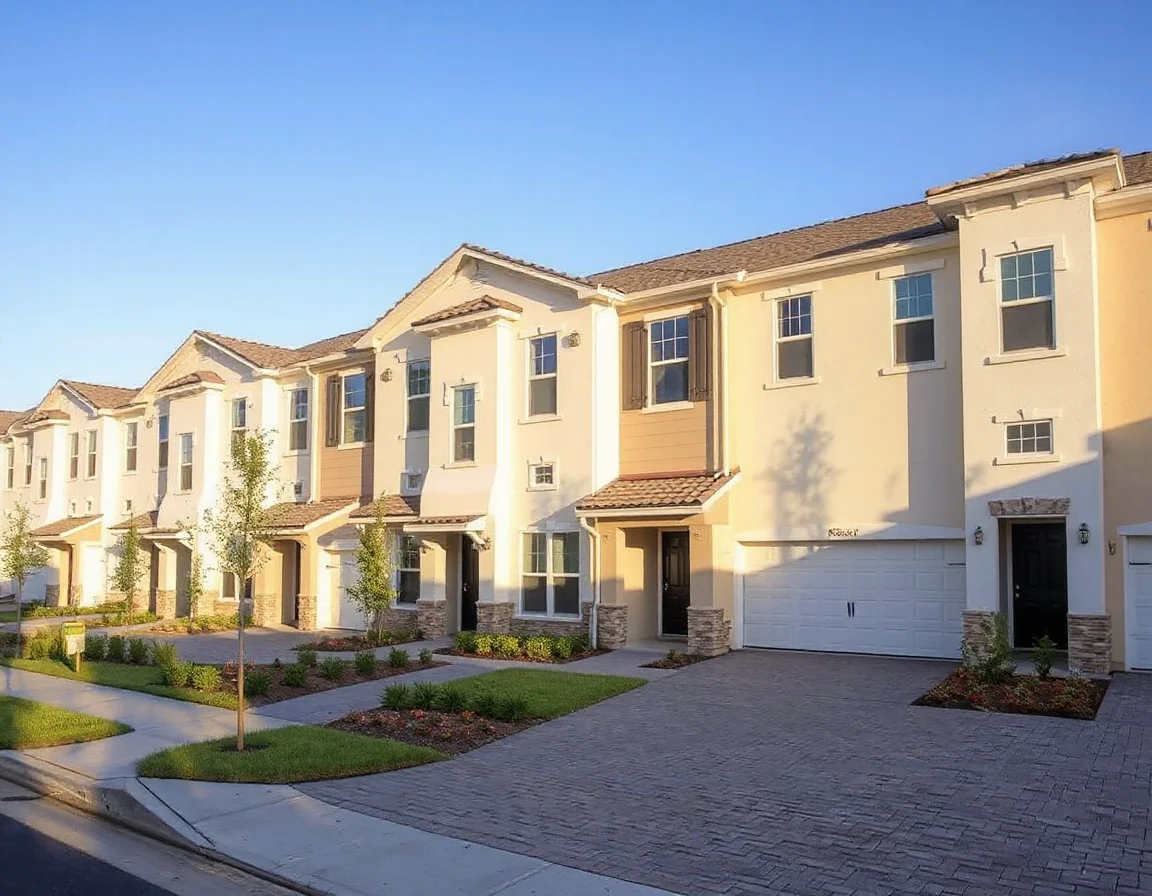
Beyond the fee itself, review the governing documents. Architectural guidelines, parking rules, leasing restrictions, pet policies, fence requirements, and exterior modification approvals can all affect how comfortably the community fits your plans. If you want to add a screened patio, install solar panels, or make visible exterior changes later, check the approval process now rather than after closing.
It is also wise to ask about reserves and developer turnover. In newer communities, the HOA may still be under developer control, which means some budgets and procedures could change after homeowners take over. Understanding that transition helps you gauge whether today’s dues are likely to remain stable or shift as the neighborhood matures and maintenance responsibilities expand.
For buyers who appreciate organized common areas and a consistent neighborhood appearance, HOA living can be a strong match. The key is to know exactly what you are paying for and what standards come with that arrangement.
A smarter way to compare developments side by side
The easiest way to make a solid decision is to compare communities using the same checklist. Note the HOA fee, what it includes, completed versus planned amenities, rules that matter to your intended use of the property, and the type of outdoor space attached to each home. Then add observations from your visits: how the entrance feels, whether open space is genuinely usable, and how much of the neighborhood is still under construction.
Buyers often benefit from looking at the full picture instead of chasing a single standout feature. A development with a beautiful playground but higher future uncertainty may not be as appealing as one with simpler amenities, stronger documentation, and predictable monthly costs. Likewise, a home with a modest yard may live larger if it sits near a well-designed park, trail, or central green.
If outdoor living is high on your priority list, pay close attention to the relationship between the home and the community. Covered patios, porches, and nearby common areas can create flexibility that matters long after the excitement of new finishes wears off. That practical blend of private and shared space is often where a development proves its value.
In the end, smarter home decisions usually come from asking detailed questions early. Parks, playgrounds, and HOA terms are not side issues in a new development; they are core parts of how the property will function every day. When you evaluate those elements carefully, you can choose a home and community with greater clarity, stronger expectations, and a better fit for the way you want to live.