
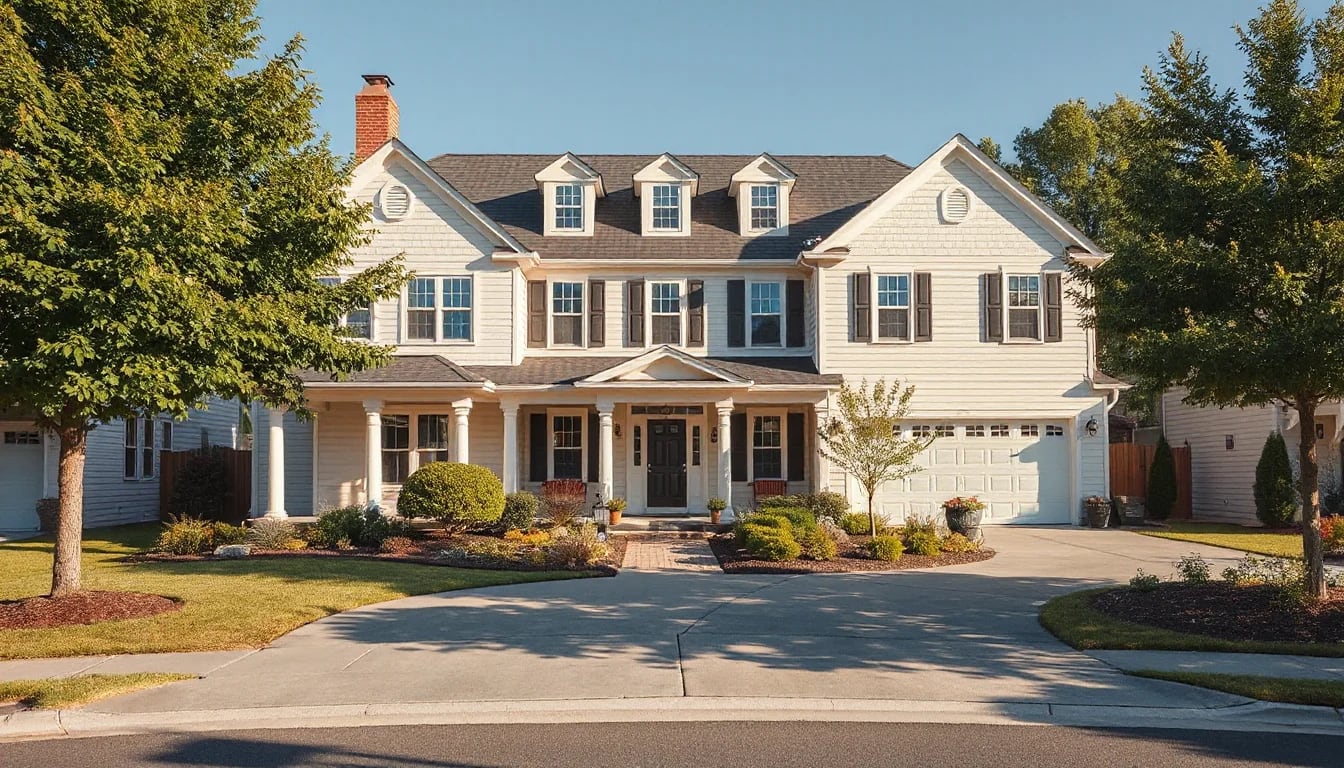
A quieter street can shape daily comfort, buyer interest, and resale performance in ways that go far beyond curb appeal. Traffic flow, noise patterns, lot placement, and access to amenities all affect how a property is perceived and how easily it may sell later. Understanding what “peaceful and quiet” really means in real estate can help buyers compare homes more confidently and help sellers position their property more effectively.
Why Street Atmosphere Matters More Than Buyers First Expect
Many people start a home search focused on square footage, finishes, or the number of bedrooms, but the feel of the street often becomes one of the deciding factors. A home can be beautifully updated and still feel less appealing if there is constant cut-through traffic, engine noise, or limited privacy from nearby road activity. On the other hand, a property on a calmer block may create a noticeably different first impression, even before anyone steps through the front door.
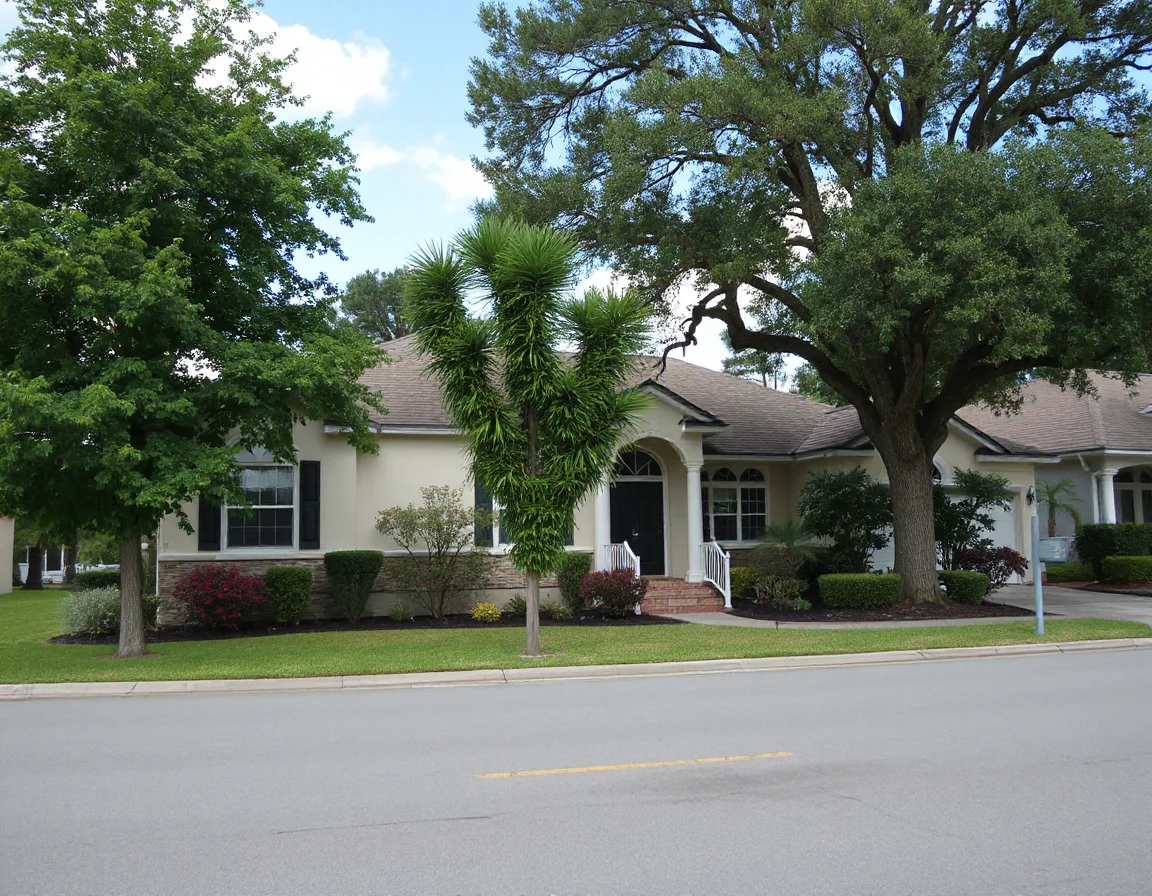
Street atmosphere influences how a property is experienced at different times of day. Morning commuter traffic, afternoon delivery activity, evening headlights, and weekend parking patterns can all affect perceived value. These details are not always obvious during a quick showing, which is why experienced buyers often revisit a property more than once before making a decision.
From a resale perspective, quieter surroundings can widen appeal because they support features buyers consistently notice: easier conversation outdoors, less interruption when windows are open, and a stronger sense of separation from road activity. That does not mean every busy location underperforms, but it does mean street context becomes part of the value equation. Buyers are not only purchasing the house itself; they are also evaluating how the property lives day to day.
Two homes with similar layouts can receive very different buyer reactions based on traffic noise, parking flow, and how private the outdoor spaces feel from the street.
For properties with patios, porches, gardens, or other outdoor living areas, this can matter even more. If a backyard feels sheltered and usable, or if a front porch is buffered from steady traffic, buyers may see greater practical value in those spaces. In markets where outdoor living is a meaningful feature, the surrounding soundscape can directly affect how that feature is priced and appreciated.
What Creates a Peaceful Feel Without Sacrificing Convenience
A peaceful street is not simply one that is far away from everything. In many cases, the most desirable locations strike a balance between reduced through-traffic and easy access to everyday destinations. A home may feel tucked away while still being a short drive from grocery options, parks, major routes, and local services. That combination can support both current enjoyment and future marketability.
Several physical characteristics often shape this feeling. Road width, speed limits, tree coverage, sidewalk separation, lot orientation, and distance from intersections can all influence how quiet a block seems. Even the way homes are staggered on a street or the presence of fencing and landscaping can change how sound travels and how private an outdoor area feels.
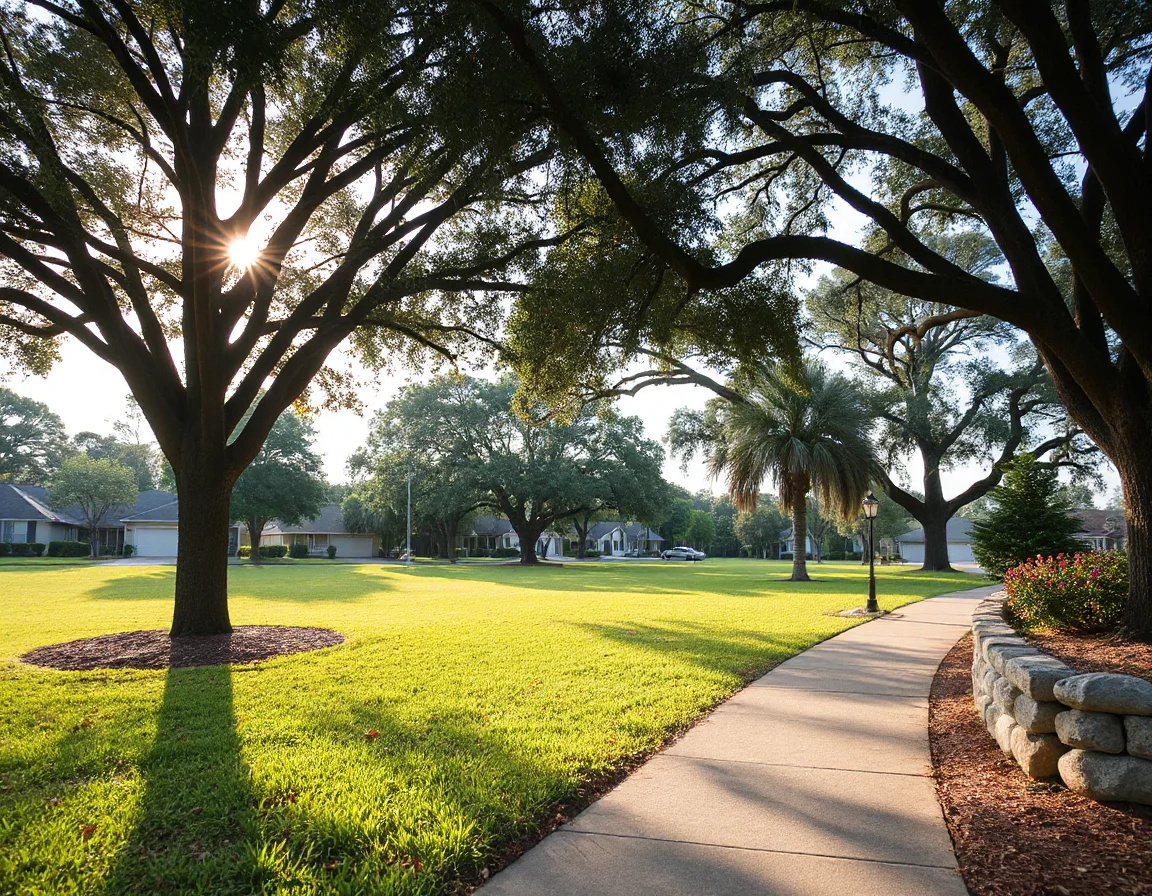
Corner lots, homes near entrance roads, and properties backing to busier corridors may be priced differently than similar homes placed deeper within a neighborhood. That difference is not automatically positive or negative; it depends on the buyer’s priorities and on how the home site is designed. Some buyers appreciate visibility and ease of access, while others place a premium on reduced noise and a more buffered setting.
It is also important to separate true quiet from simple low activity during a showing. A midday visit on a weekday may not reveal school drop-off traffic, weekend guest parking, nearby construction patterns, or noise from arterial roads during rush hour. A more complete evaluation includes listening as much as looking.
If a location feels especially calm, ask why. Cul-de-sac placement, limited through-routes, deeper setbacks, and mature landscaping often contribute more to resale strength than buyers realize at first glance.
Search peaceful & quiet listings
How Buyers and Appraisers Interpret Street Location
Value is shaped by comparable sales, but those comparisons are rarely as simple as matching square footage and bedroom count. Buyers naturally compare one listing against another based on condition, lot utility, privacy, and street exposure. If one home sits on a calmer interior street and another faces heavier traffic, the market may respond differently even when the floor plans are nearly identical.
Appraisers look at closed sales and market evidence, while buyers react in real time to comfort and livability. That means seller expectations should stay grounded in how the home competes at showing level. A peaceful setting can support stronger interest, more time spent touring exterior spaces, and fewer objections tied to noise or congestion. Those details can translate into better positioning when multiple similar homes are available.
Still, quiet alone does not guarantee top value. Condition, updates, natural light, lot size, and functional layout remain central. A home on a tranquil street still needs to present well and be priced in line with current demand. The strongest result usually comes when location advantages are paired with visible maintenance and spaces that feel immediately usable.
For sellers, this is where thoughtful marketing matters. Describing a property in objective terms such as reduced through-traffic, mature landscaping, buffered outdoor areas, or set-back placement is both effective and compliant. These are tangible features that help buyers understand the setting without relying on vague generalizations.
Smart Ways to Evaluate Quiet Before You Buy or Sell
Whether you are purchasing or preparing to list, it helps to assess a property’s sound and traffic profile with intention. Visit at more than one time of day. Sit in the driveway for a few minutes. Step into the backyard and front porch area separately. Open and close windows. Notice whether traffic is constant, occasional, or concentrated at specific times. These practical checks can reveal far more than listing photos ever will.
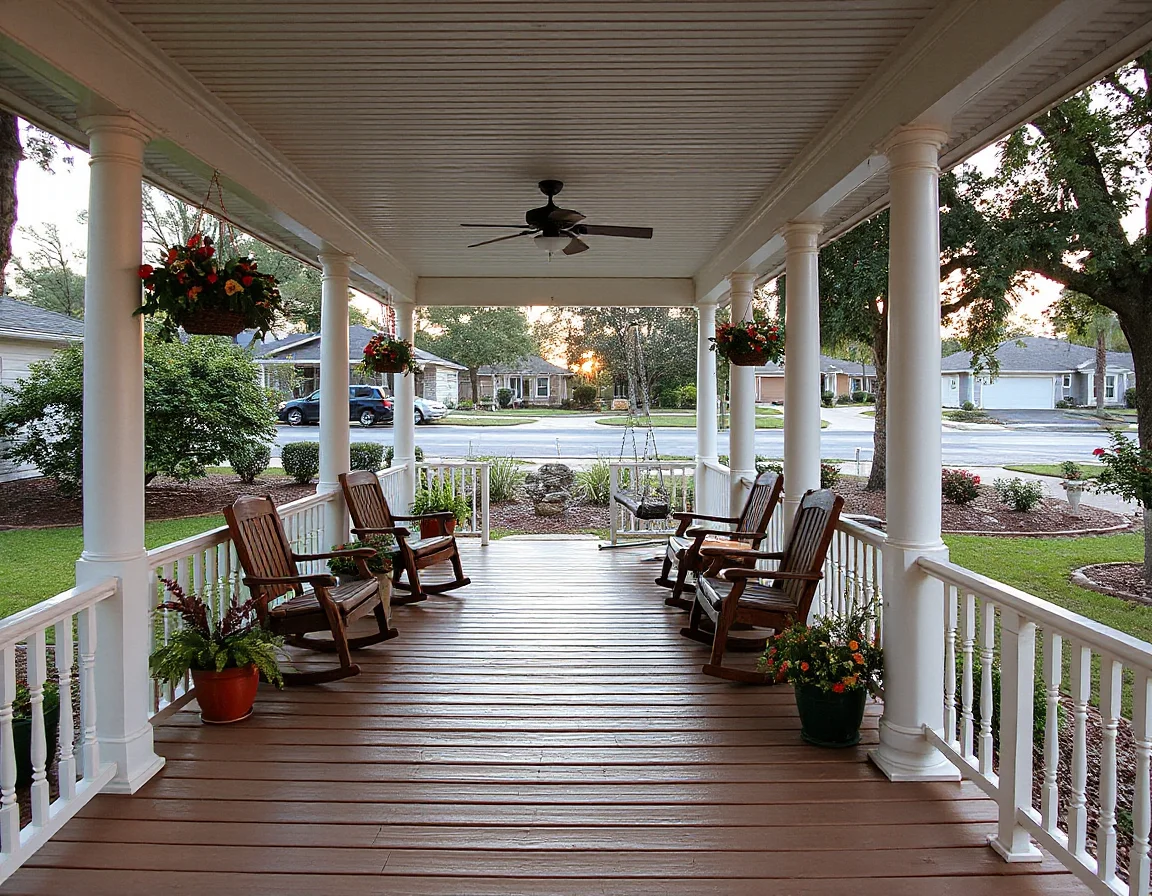
Buyers should also think about where they expect to spend time. If outdoor living is high on the priority list, the best question is not just “Is the house attractive?” but “Will these outdoor spaces feel comfortable and usable on a regular basis?” Patios, backyards, and porches often become more valuable when they are shielded from street activity and offer a sense of ease.
Sellers can benefit from the same lens. If the home already enjoys a quieter setting, highlight the features that reinforce it: hedges, fencing, shade trees, covered outdoor seating, and thoughtful lot orientation. If the location is more active, presentation can still make a difference by emphasizing privacy improvements, window upgrades, or the practical advantages of quick route access.
In the end, peaceful and quiet streets influence value because they affect how a property feels, how buyers compare it, and how memorable it is after a tour. When that calm setting is paired with strong curb appeal and well-designed indoor and outdoor spaces, it can become a meaningful advantage at both purchase and resale. The key is to evaluate it carefully, describe it accurately, and understand how it fits into the full picture of market value.