
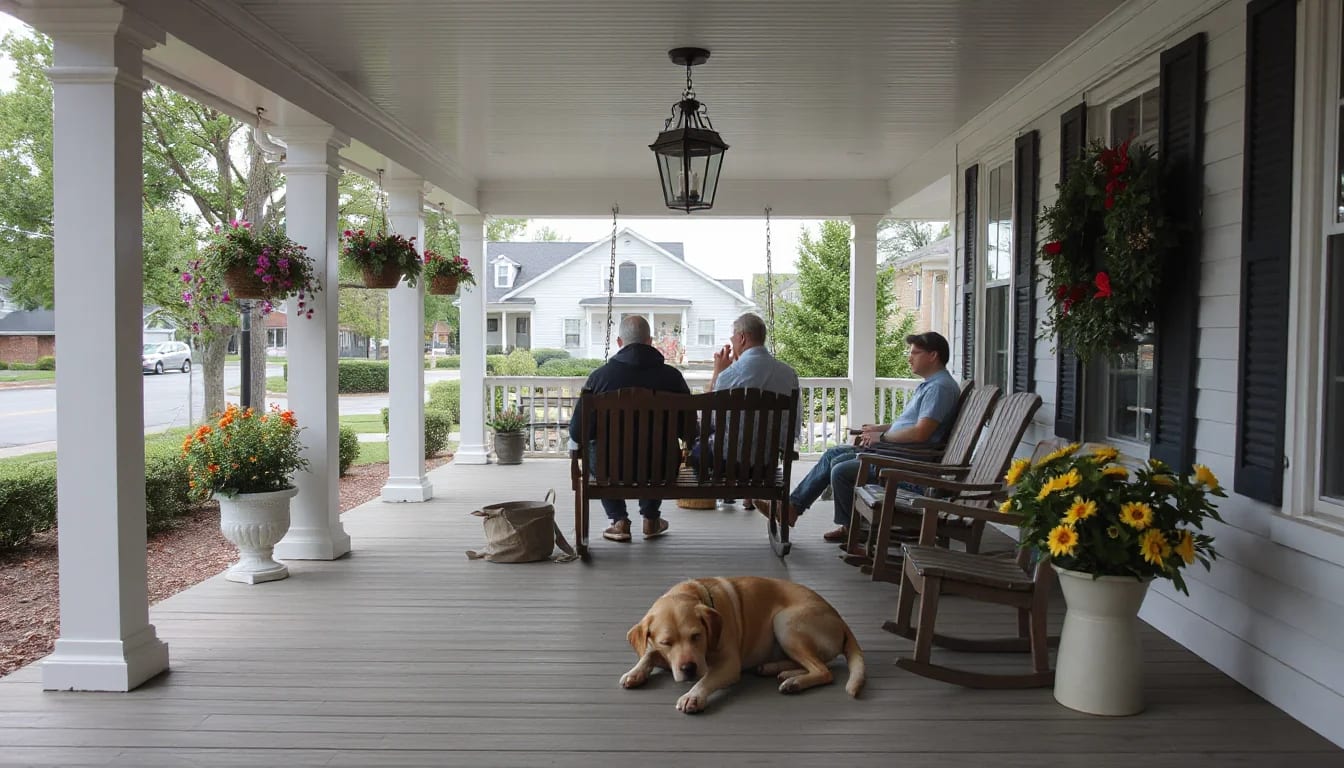
A peaceful setting can be one of a home’s most valuable everyday features, but quiet is not something to judge from a single showing. A thoughtful noise check—at different times, from multiple rooms, and around the outdoor spaces—can help you understand how a property actually feels after move-in. Use this guide to turn a subjective impression into a practical buying decision.
Look Beyond the First Quiet Showing
It is easy to walk into a home during a calm afternoon and assume the setting will always feel the same. But sound changes with traffic patterns, weather, nearby construction, delivery schedules, outdoor activity, and even the direction of the wind. Buyers who value peaceful and quiet surroundings should treat noise evaluation as part of their due diligence, just like reviewing the roof, systems, lot lines, and property disclosures.
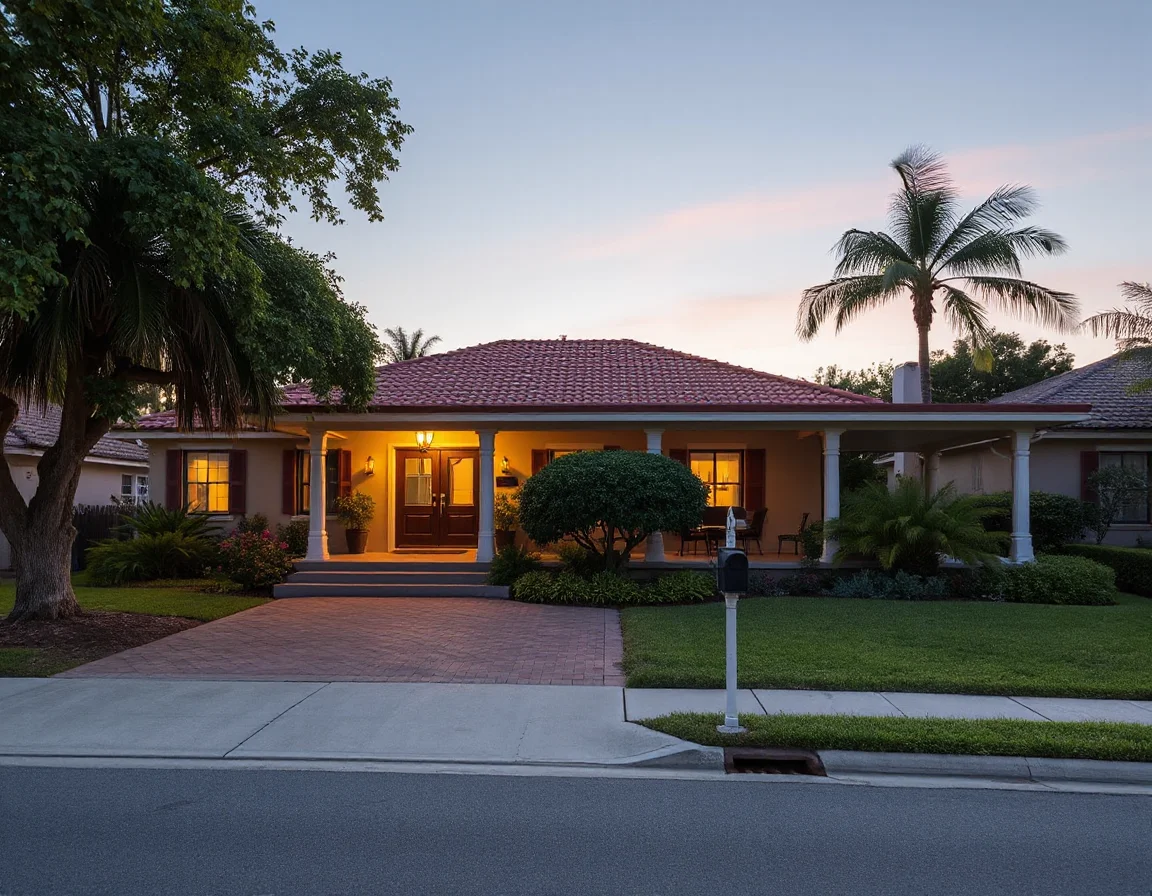
Start by giving yourself time to simply listen. Turn off music, pause conversation, and stand in several places: at the front entry, in the primary living area, near bedroom windows, in the yard, and on any balcony or patio. Notice whether you hear a steady background hum, intermittent bursts of sound, aircraft, roadway noise, mechanical equipment, or activity from nearby properties. The goal is not to find absolute silence; it is to understand what sounds are present and whether they fit your personal preferences.
Pay special attention to the spaces where you expect to spend the most time. An outdoor kitchen, screened porch, garden, pool patio, or shaded seating area may be a major part of a property’s appeal. A home can have a beautiful outdoor living area, but its usefulness may feel different if sound carries across the lot at certain hours. Likewise, a bedroom positioned away from the street may offer a calmer retreat even when the front of the home experiences more activity.
A quiet street at 2 p.m. can sound very different during a weekday morning, late afternoon, or weekend evening. If possible, revisit before making a final decision.
It also helps to distinguish between temporary sounds and recurring conditions. A lawn crew passing once, a nearby renovation project, or a seasonal event may not reflect daily life. On the other hand, regular rush-hour traffic, train schedules, school-zone circulation, commercial deliveries, or a neighboring mechanical unit can create predictable patterns. Ask the seller’s agent for available property information, but rely on your own observations and appropriate professional inspections when evaluating how a setting feels.
Visit at More Than One Time of Day
A second or third visit is one of the most useful tools available to a buyer. Try to see the immediate area during periods that match your normal routine: an early weekday, a late afternoon, a weekend, or after sunset. Drive the route to the home instead of arriving only for a scheduled tour, and take a few minutes to observe the surrounding streets from a legal public location.

During these visits, observe the practical details that influence sound. Are there major roads nearby? Does traffic accelerate along the street? Are there stop signs, intersections, loading areas, transit stops, athletic facilities, or regularly used public spaces within hearing distance? None of these features automatically make a property a poor fit. They simply provide context, helping you compare one home’s sound profile with another’s.
Weather matters too. Rain, wind, humidity, and closed windows can change what you hear. If a home has impact-rated windows, solid doors, additional insulation, or landscaping that buffers a yard from the street, ask about their condition and operation. Open and close windows yourself. Stand by exterior doors and check seals. Listen for air-conditioning compressors, pool equipment, generators, irrigation systems, and other features that may operate on a schedule.
A useful practice is to keep a short note on your phone after every showing. Record the date, time, weather, rooms visited, windows open or closed, and the sounds you noticed. When you compare several properties later, those notes can be more useful than a general memory that one home “felt quieter.” They also create a clearer basis for discussing trade-offs, such as choosing a home closer to dining and parks versus one set farther from frequent traffic.
Test the home with windows open and closed. The difference can reveal how well the building envelope supports the indoor environment you want.
Evaluate the Lot, Layout, and Outdoor Spaces
Noise is not only about the location; the property’s design can make a meaningful difference. A home on a corner lot may have more exposure to passing vehicles, while a home placed deeper on its lot may feel more removed from the street. Fences, masonry walls, hedges, trees, covered patios, and the placement of garages can all influence how sound reaches different areas of the property.
Inside, consider the floor plan. Bedrooms facing a side yard may have a different sound environment than bedrooms facing the front street. Open-plan living spaces can feel airy and connected, but hard surfaces may allow sound to travel more freely. Rugs, window treatments, upholstered furnishings, and acoustic upgrades can improve interior comfort after purchase, while the surrounding location and lot orientation are more difficult to change.
For properties with pools, patios, outdoor kitchens, or decks, spend time in those spaces rather than viewing them only from the doorway. Imagine reading, working outdoors, sharing a meal, or enjoying an evening breeze. Consider sun exposure and privacy alongside sound. The best outdoor areas balance the features you enjoy with a setting you will want to use regularly.
Ask Focused Questions and Keep Perspective
There is no universal definition of peaceful. One buyer may welcome the energy of a nearby park or active street, while another may prioritize distance from roadways and a more sheltered lot. The important step is identifying your own priorities before you begin touring homes. Rank what matters most: bedroom quiet, outdoor comfort, proximity to amenities, ease of commuting, lot size, or the ability to keep windows open at certain times of year.
When reviewing a property, ask clear, property-specific questions. Have there been recent road projects nearby? Are there known planned developments, public works projects, or construction permits in the area? What equipment serves the home, and when does it run? Are there association rules governing exterior equipment or outdoor improvements? Public planning resources, municipal records, and an experienced local real estate professional can help you identify questions worth investigating further.
It is also wise to avoid making assumptions based on a neighborhood’s appearance. Mature trees, a cul-de-sac, or a landscaped entry can create a calm visual impression, but the actual sound environment depends on many factors. A measured approach—multiple visits, careful listening, realistic comparison, and professional guidance—will serve you better than relying on a quick first impression.
Finding a home with the right sound environment is ultimately about matching the property to the way you plan to use it. Whether you are drawn to a secluded patio, a landscaped yard, a bright living room, or convenient access to local amenities, thoughtful evaluation can help you move forward with greater clarity. Arielle Corinti can help you compare homes, ask informed questions, and focus your search on the features that matter most to you.