

A nearby park can influence how buyers experience a home long before they step inside. Open space, trails, recreation areas, and convenient routes to everyday amenities often strengthen a property’s appeal—but the details matter, from maintenance and parking to the home’s exact relationship to the park.
Why Green Space Draws Attention in a Home Search
Park access is often one of the first location features buyers notice, especially when comparing homes with similar square footage, finishes, and price points. A nearby playground, walking path, sports field, or shaded lawn can add another layer of everyday utility to a property. It gives residents a place to walk, exercise, relax outdoors, meet neighbors, or simply enjoy a change of scenery without getting in the car.

That convenience can be meaningful in the Playgrounds, Parks area because buyers commonly weigh the full setting around a home, not just the rooms within it. A home with a usable patio or yard may feel even more versatile when it is paired with public open space nearby. The combination creates options: a quiet morning walk, an afternoon on a trail, a casual outdoor gathering, or access to recreational facilities that do not require additional space on the property itself.
Demand does not rise automatically just because a map shows a green patch nearby. Buyers tend to look closer. They may consider whether the route is practical, whether sidewalks or crossings connect the home to the park, how the space is maintained, and what amenities are actually available. A small pocket park, a regional trail system, and a busy athletic complex each offer a different experience—and may appeal to buyers for different reasons.
The most valuable park connection is often the one buyers can picture using regularly: a clear route, a well-kept setting, and amenities that fit into an ordinary week.
For sellers, this means park proximity should be presented with useful specifics rather than broad claims. Mention the walking path, picnic area, dog-friendly features where permitted, courts, playground equipment, community programming, or trail connections. Accurate details help buyers understand the benefit without overstating it. If there is a measured walking distance or publicly available park map, that information can make a listing description more practical and credible.
The Details That Can Affect Perceived Value
Being near a park is not a single feature; it is a collection of location factors. A home that faces a landscaped greenway may offer a different atmosphere than one beside a heavily used recreation complex. Some buyers value direct visual access to trees and open lawn, while others prioritize being close enough to visit without living immediately beside active parking areas or scheduled events.
Thoughtful buyers often ask questions that go beyond distance. Is there convenient pedestrian access? Are there mature trees, lighting, restrooms, seating, or recreation facilities? Does the park connect to a larger network of paths? Are public events held there? These are not minor details. They shape how often a space may be used and how it contributes to the day-to-day feel of a home’s location.
Traffic patterns deserve an equally careful look. A popular park can bring activity at certain times of day, especially during organized sports, seasonal events, or weekends. That energy may be a positive for someone who values nearby recreation, while another buyer may prefer a home set a few blocks away. The best real estate guidance is specific and balanced: identify the amenity, describe the practical access, and encourage buyers to visit at different times before making a decision.
Explore homes near playgrounds and parks
Outdoor Living and Public Amenities Work Together
Private outdoor space remains a meaningful part of home demand, and it can complement nearby parks rather than compete with them. A covered patio, garden, balcony, porch, or flexible yard provides a personal place to spend time outside. Public green space adds room for longer walks, recreation, and larger open-air settings. Together, those features can make a property feel connected to the outdoors at more than one scale.
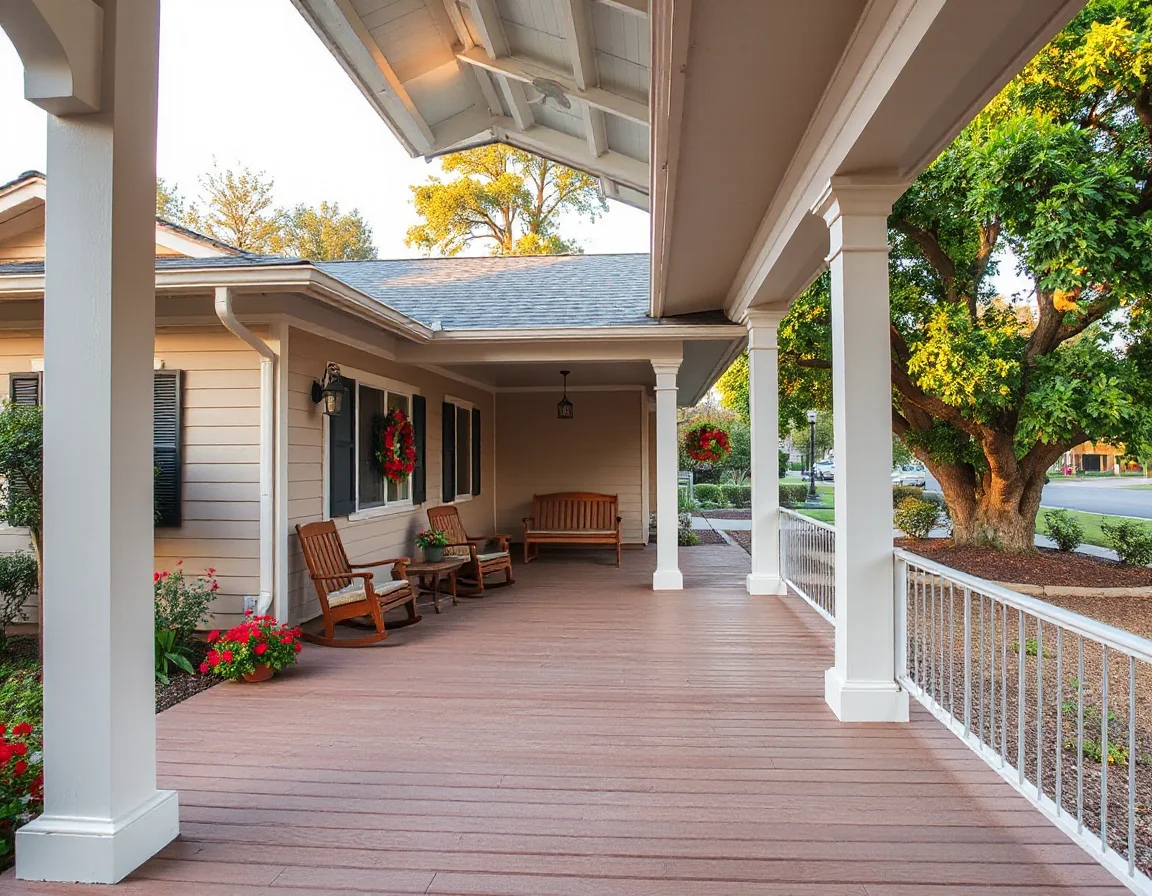
This is especially relevant when preparing a home for sale. A listing with outdoor living features can tell a stronger story when the property’s surrounding amenities are also clear. Fresh landscaping, clean seating areas, and a well-presented patio help buyers imagine daily life at home; nearby trail access or recreation space expands that picture beyond the lot line. Professional photos and accurate location notes can bring those elements together without relying on vague language.
Buyers should also distinguish between what belongs to the property and what is publicly maintained. A view across a greenbelt, for example, may be appealing, but the responsible agency, maintenance schedule, future plans, and applicable rules can all matter. Reviewing local information, homeowners association documents when applicable, and property disclosures can provide a fuller understanding of what is permanent, what may change, and what costs or restrictions may apply.
Access to amenities can also support a more efficient routine. Parks are often located near sidewalks, bike routes, libraries, community facilities, transit stops, and commercial corridors, though each property should be evaluated individually. When touring a home, it can be useful to make the same trip a resident might make: walk the route, observe crossings, notice shade and lighting, and see how long it takes in real conditions.
How to Evaluate a Park-Adjacent Home Before Making an Offer
A focused visit can reveal far more than an online map. Start by viewing the home and nearby park at more than one time of day if possible. Morning, late afternoon, and weekend conditions may show different levels of activity, parking availability, sun exposure, and noise. This does not mean assuming a busy setting is positive or negative; it means gathering the details needed to decide whether the location supports your own priorities.
- Walk the route between the home and the nearest entrance.
- Check whether sidewalks, crossings, and curb access are practical for your needs.
- Look at park amenities, maintenance, posted hours, and any public-use rules.
- Observe nearby street parking and traffic patterns during active periods.
- Review public planning information for proposed improvements or changes.
- Compare similar homes with and without nearby recreation access before deciding on value.
It is also wise to keep the bigger market picture in view. A home’s value reflects condition, layout, lot characteristics, inventory, financing conditions, local demand, and many other factors. Park access can be a differentiator, particularly when two homes are otherwise comparable, but it should be considered alongside the complete property—not treated as a substitute for inspection, due diligence, or a careful pricing analysis.
When comparing similar properties, note both the distance to green space and the quality of the connection. A short, comfortable route may matter more than a closer park separated by difficult crossings or limited access.
A Location Feature Worth Looking at Closely
Homes near playgrounds and parks can stand out because they connect private living space with the wider community landscape. Whether the draw is a trail, a shaded bench, recreation courts, open lawn, or a nearby place to spend time outdoors, the strongest appeal comes from a feature that is easy to understand and practical to use.
For buyers, the opportunity is to look beyond the listing map and experience the area firsthand. For sellers, the opportunity is to highlight park access accurately, showcase outdoor spaces with care, and explain how the property relates to its surroundings. With the right details, green space becomes more than a nearby amenity—it becomes part of the home’s overall story.