
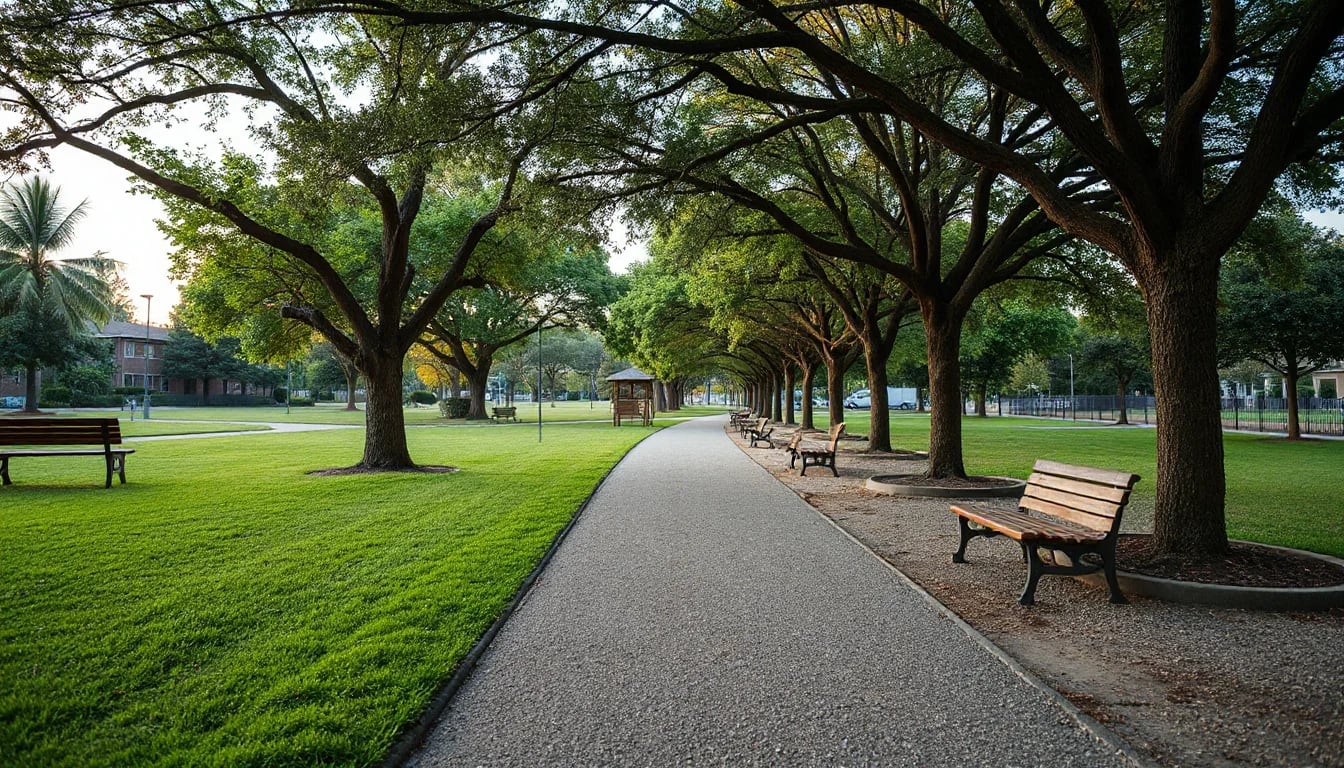
Tampa Bay’s parks make it easy to turn an ordinary afternoon into time outdoors, whether that means a waterfront walk, a shaded trail, a picnic table, or a playground stop. Knowing what is nearby can also help home buyers compare daily routines, outdoor space, and the amenities that matter most from one neighborhood to the next.
A Practical Guide to Outdoor Time Around Tampa Bay
Tampa Bay offers an impressive mix of neighborhood parks, riverfront gathering spaces, wooded preserves, and waterfront paths. Some destinations are designed for a quick stop between errands, while others invite a slower morning of walking, birdwatching, reading beneath mature trees, or enjoying the breeze near the water. For people exploring homes in the area, nearby public spaces can be an important part of how a location feels day to day.
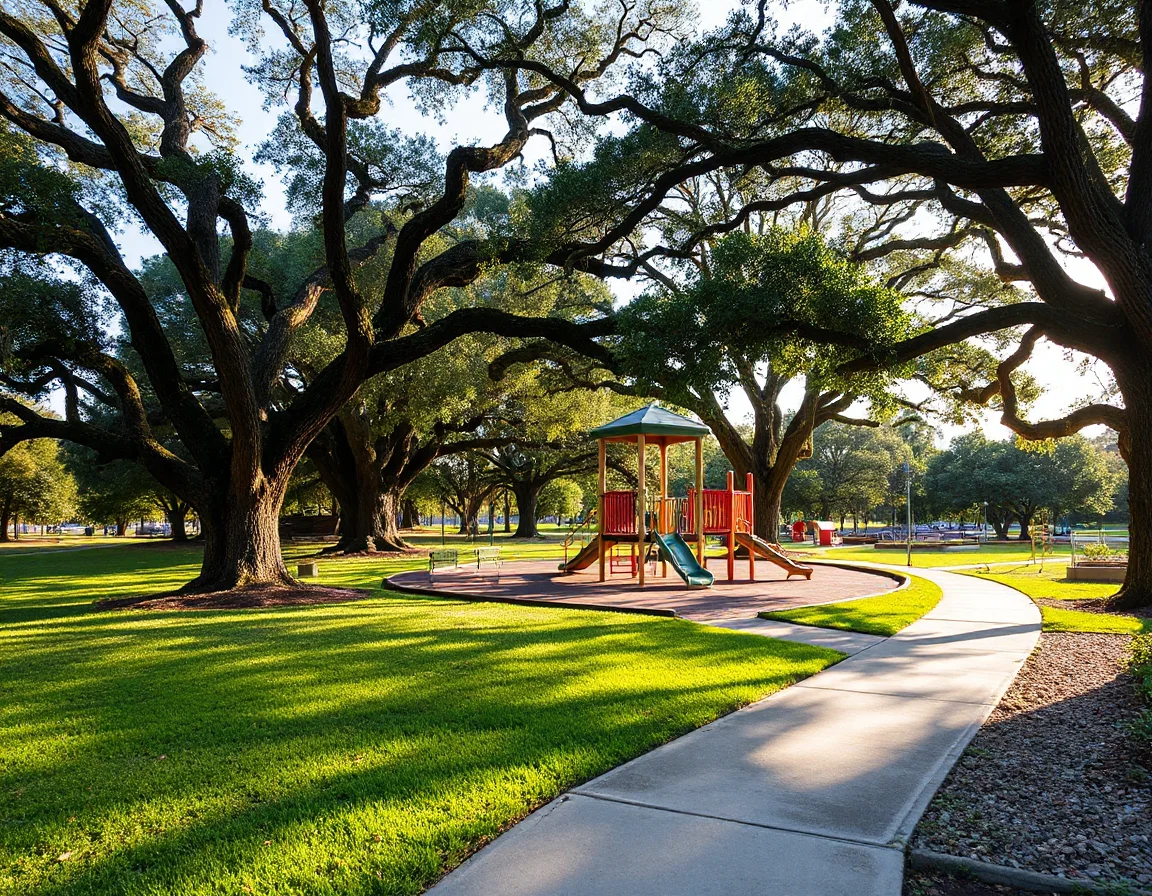
Playgrounds and parks are more than pins on a map. They can provide a convenient place to stretch out, meet up with neighbors, enjoy a casual picnic, or take a break from screen time. Features vary widely: one park may have open turf and a loop path, another may have shaded seating, a splash area, athletic courts, fishing access, or equipment suited to different activity levels. A visit at the time of day you expect to use the space is often the best way to understand sun exposure, parking, noise, and the overall rhythm of the area.
In and around central Tampa, Curtis Hixon Waterfront Park offers a prominent downtown riverfront setting with open lawns, walking areas, and views across the Hillsborough River. Nearby, Julian B. Lane Riverfront Park adds recreation areas and broad space along the water. These locations can be especially useful for anyone who values a walkable outing paired with the energy of central-city amenities. Check the City of Tampa’s current park information before visiting, since events, maintenance, and operating details can change.
When comparing homes, map the route to the parks you expect to use most often—not just the distance. A short drive can feel very different depending on bridges, traffic patterns, parking, and the time of day.
For a more natural setting, Lettuce Lake Park in the northern part of Tampa provides boardwalk scenery, wooded trails, and opportunities to observe the area’s wetlands. The park’s landscape feels distinct from the riverfront: quieter, greener, and shaped by native vegetation rather than city blocks. It is a useful reminder that Tampa Bay outdoor living is not limited to beaches or manicured lawns; there are also places where the region’s subtropical environment takes center stage.
Explore homes near playgrounds and parks
How Parks Fit Into a Home Search
A property’s outdoor features and the public spaces around it work together. A home with a screened lanai, patio, balcony, fenced yard, pool area, or generous porch may create one kind of outdoor routine, while proximity to a large park or trail may create another. Neither is automatically better; the goal is to identify the combination that supports the way you want to spend your time.
During a home tour, look beyond the backyard fence line. Consider where outdoor gear would be stored, whether there is a comfortable place to sit outside, how much shade the property receives, and whether drainage or landscaping maintenance will be part of ownership. If a nearby park is a priority, ask practical questions: Is there a sidewalk or a convenient route? Are restrooms available? Are there fields, courts, or trails that require reservations? What are the posted rules for pets, grilling, and events?
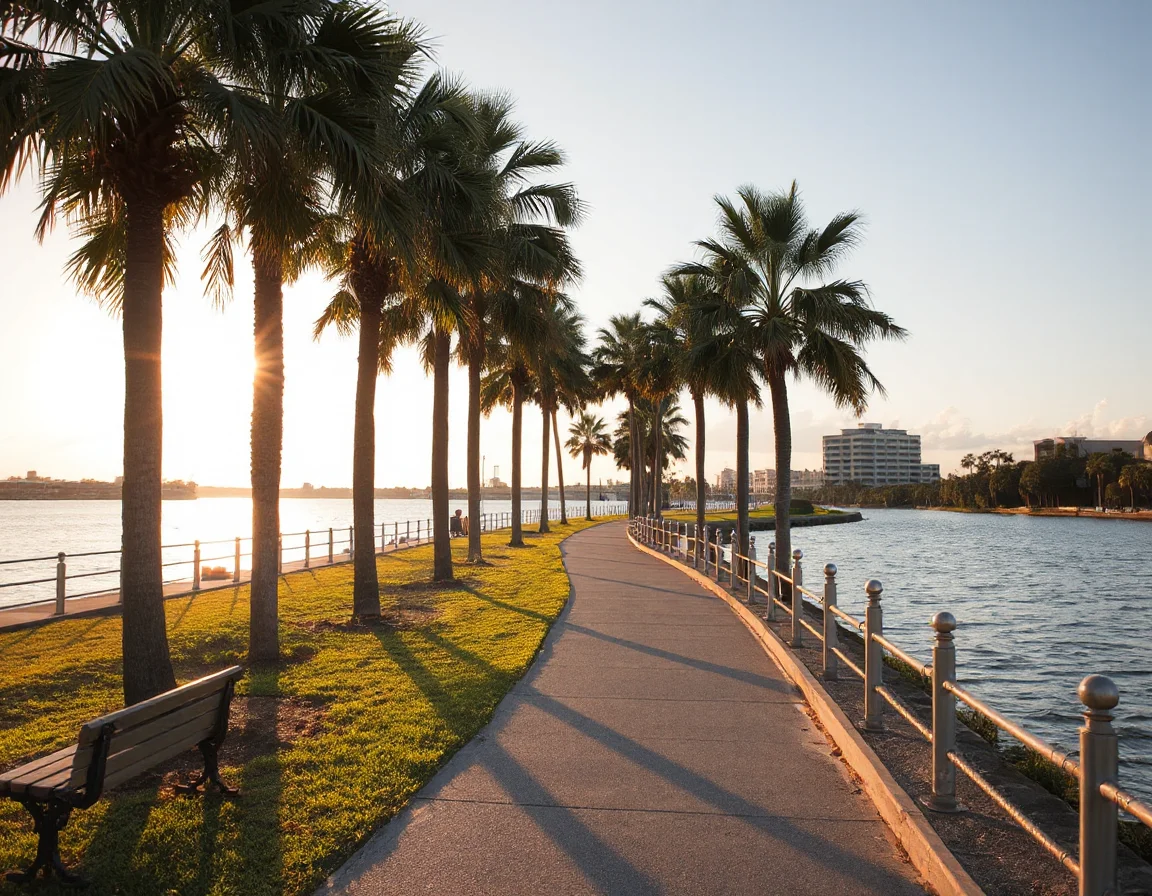
Outdoor amenities can also help distinguish one part of Tampa Bay from another. Bayshore Boulevard is known for its long waterfront sidewalk and views of Hillsborough Bay, while Ballast Point Park offers another waterfront option with open areas and a pier. Elsewhere, neighborhood parks may be smaller but more convenient for a daily walk or an impromptu picnic. A broad regional search can reveal different styles of outdoor access, from urban river paths to wooded preserves and coastal views.
It is worth considering seasonal conditions as well. Florida’s sunny weather supports outdoor activity through much of the year, but summer heat, afternoon rain, and changing daylight can influence when a park feels most comfortable. Visiting once in the morning and again later in the day can reveal useful details about shade, breezes, activity levels, and available parking. For buyers who enjoy entertaining outdoors, these observations can also inform how they evaluate patios, pools, covered seating, and landscaping at prospective homes.
A well-planned outdoor routine may combine private space at home with public space nearby: a porch for a quiet morning, a patio for hosting, and a park or trail for a change of scenery.
Plan a Park-Focused Weekend
A simple way to get acquainted with an area is to build a weekend around its outdoor spaces. Start with a walk along the Tampa Riverwalk or a visit to a waterfront park, then drive through a few nearby residential areas to see how streets, homes, sidewalks, and public amenities connect. Later, visit a more natural destination such as Lettuce Lake Park or another Hillsborough County preserve. This approach gives you a stronger sense of distances and daily logistics than an online map alone.
Bring a short checklist so each stop is useful. Note the available shade, path surfaces, seating, parking, nearby water, and the condition of play equipment or recreation areas. If accessibility features are important to your household, confirm current details directly with the relevant city or county department rather than relying on an old listing or map description. The same goes for hours, event schedules, fees, pet policies, and closures.
For sellers, proximity to a park or trail can be a meaningful location feature when presented accurately. Mention the name of the public amenity, approximate route, and objective features such as a waterfront path, playground, picnic area, or sports court. Avoid broad claims about who the home or neighborhood is “for.” Clear facts allow prospective buyers to decide how the location fits their own routines and preferences.
From a quiet bench beneath a live oak to a waterfront sunset walk, Tampa Bay’s public spaces offer many ways to enjoy the region outside. Pair those destinations with a home that gives you the outdoor features you value, and everyday life can include more fresh air, movement, and time in the places that make this area memorable.