

Parks and playgrounds do more than add a pleasant view to a neighborhood—they can influence how buyers evaluate daily convenience, outdoor space, and long-term appeal. Understanding what makes a nearby green space valuable can help homeowners prepare a stronger listing story and help buyers compare homes with greater confidence.
Why Green Space Shows Up in Home Decisions
A nearby park can change the way a property feels before anyone steps inside. A shaded walking path, a maintained play area, open lawn, sports court, or community garden gives people another place to spend time outdoors without needing to drive across town. For many home buyers, that kind of access is part of the everyday equation: where to walk, exercise, meet neighbors, enjoy fresh air, or simply take a break from a busy schedule.
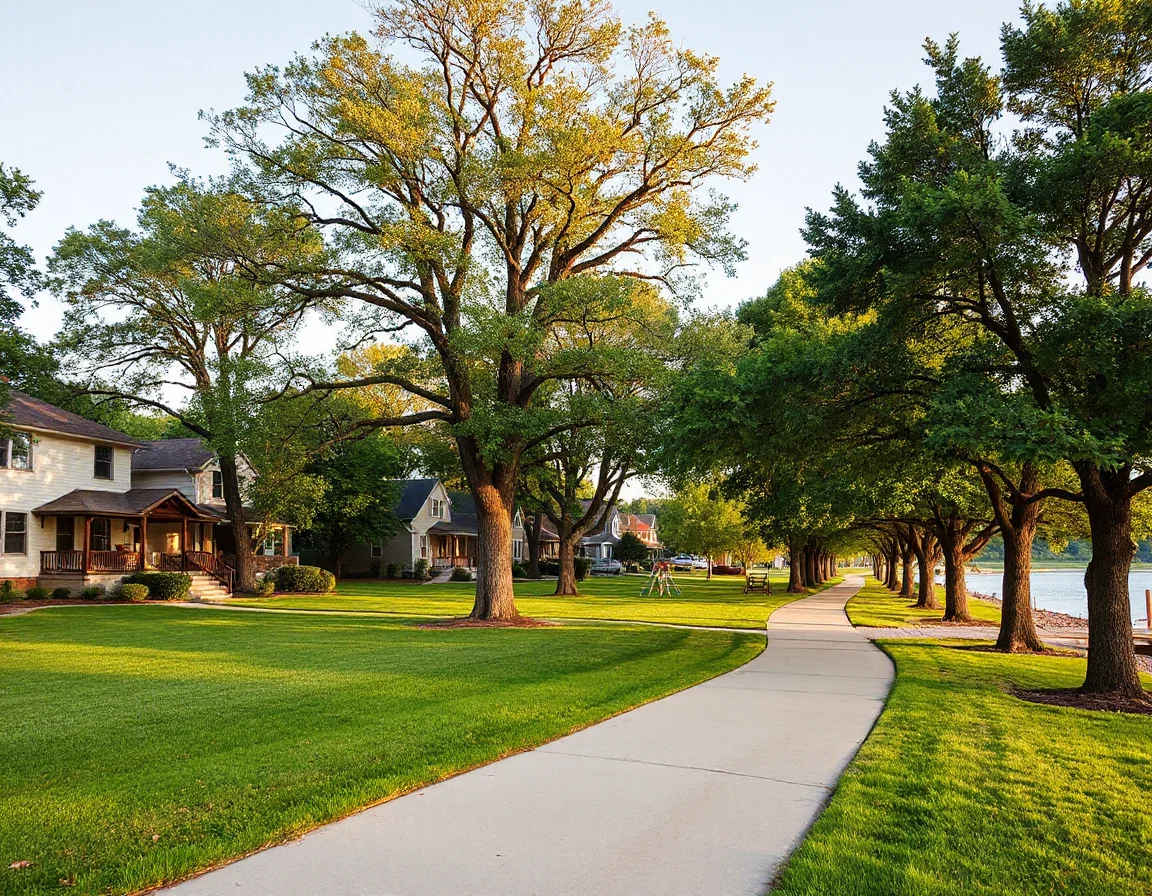
That convenience can support a home’s market appeal, although it is only one part of value. Location, lot size, condition, comparable sales, local inventory, home updates, and financing conditions all matter. Still, when two similar homes are available, the one with easy access to a well-kept outdoor amenity may give buyers one more practical reason to schedule a showing or make a stronger comparison.
The key distinction is between proximity and usability. A green area that is visible on a map is not automatically a major selling point. Buyers often look at whether there are sidewalks or safe crossings, how the space is maintained, whether it has useful amenities, and how easily it fits into a routine. A small pocket park with benches and mature trees can be meaningful in a dense area, while a larger recreation area may stand out for its trails, fields, courts, or open space.
A park within easy walking distance can be a compelling listing detail when the route, entrance, and amenities are described accurately rather than assumed.
For sellers, the opportunity is to present nearby outdoor amenities as part of a complete location picture. Mention the distance to a trailhead, the availability of public courts, the seasonal farmers market held in a public square, or the presence of a dog-friendly walking route only when those details can be verified. Specific facts are more useful than broad claims, and they help prospective buyers picture how the location may work for their own routines.
What Buyers Often Notice First
When visiting a home near a park or playground, buyers frequently assess more than the park itself. They may notice street connections, parking patterns, tree cover, views from the home, and whether the outdoor area feels integrated with the neighborhood. A home with a porch facing a landscaped common area, for example, may offer a different experience from one located beside a heavily used athletic field. Neither is universally better; the value lies in matching the property’s setting with a buyer’s preferences.
It is also worth considering the condition and programming of public spaces. Municipal investment in paths, landscaping, lighting, athletic facilities, or accessibility improvements can make an amenity more functional over time. Buyers can review city parks department pages, public meeting notes, and local planning documents to understand what exists now and whether upgrades are proposed. Sellers can benefit from knowing those facts as well, especially when preparing property descriptions and answering questions during showings.
- Walkability: Are there sidewalks, crossings, or paths connecting the home to the park?
- Maintenance: Is the landscaping cared for and are amenities in usable condition?
- Activities: Does the space include trails, open lawns, courts, play equipment, picnic areas, or recreation facilities?
- Views and privacy: How does the nearby public space relate to the home’s windows, yard, porch, or patio?
- Practical access: Are entrances, parking areas, and operating hours easy to understand?
These details matter because buyers are evaluating a property as a whole. A thoughtfully designed backyard can feel even more useful when it complements nearby public green space. Conversely, a home near a busy gathering area may benefit from clear information about fencing, landscaping, outdoor lighting, and the way its own private spaces are arranged.
Explore homes near parks and playgrounds
Turning a Nearby Park Into a Listing Advantage
Homeowners preparing to sell should begin with the same care they would use for any other location feature: verify it, photograph it thoughtfully, and connect it to the property without overstating its impact. A listing can note a nearby paved trail, public recreation area, playground, or open green space. It can also highlight property features that make outdoor living more enjoyable, such as a patio, covered porch, fenced yard, garden beds, deck, or a comfortable view toward mature trees.
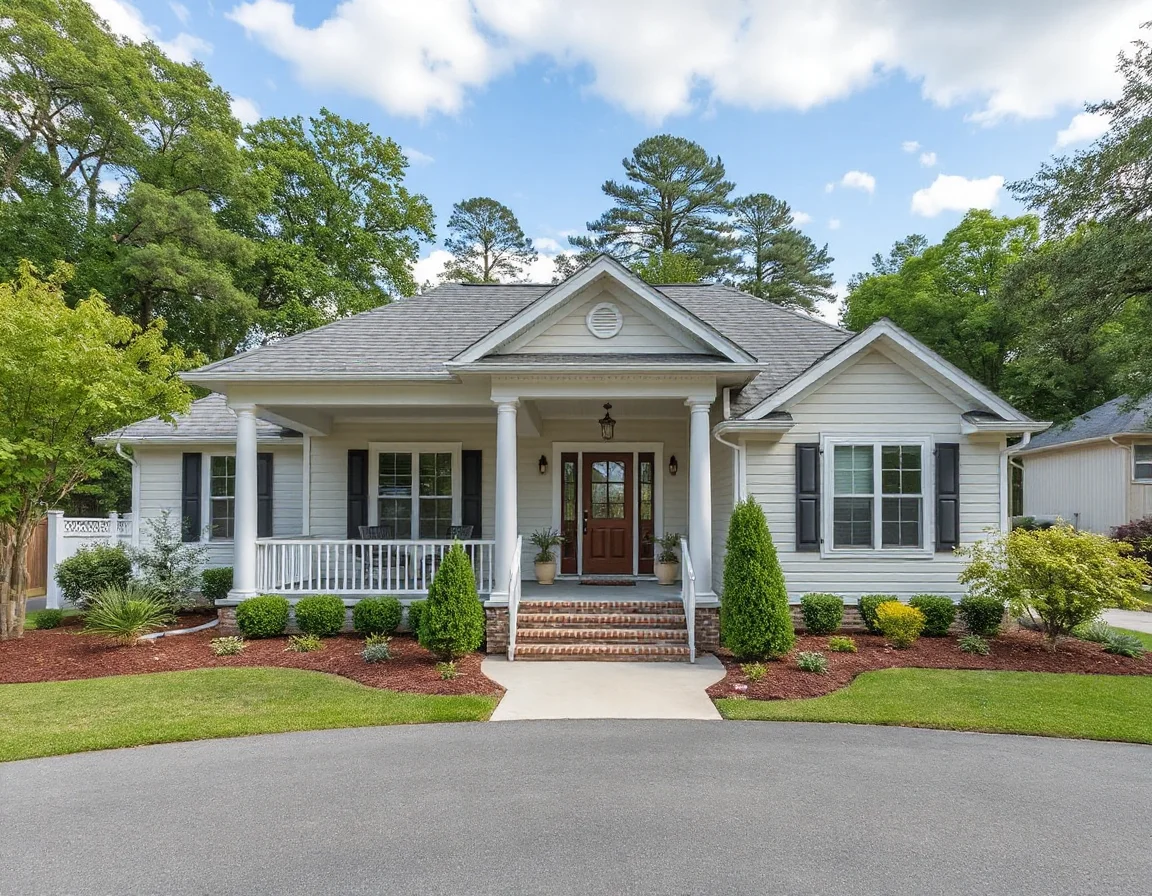
Good preparation also means looking at the property from the street and from the yard. Trim landscaping that blocks a desirable view, refresh outdoor seating areas, repair gates and walkways, and make the transition between indoor and outdoor spaces feel intentional. These improvements do not guarantee a particular sale price, but they can make it easier for buyers to recognize the home’s usable features and see how the location supports them.
Photography deserves attention as well. Images of a home’s own exterior should remain the centerpiece, but a separate photo of a nearby trail, landscaped park entrance, or public open space can add helpful context when permitted and accurately labeled. Avoid implying that an amenity is private if it is public, and avoid using an image taken far from the home simply because it is visually appealing. Credibility is valuable in every listing.
For buyers, park proximity should be part of the due-diligence process rather than a quick map search. Visit at more than one time of day, walk the route from the home, review public information, and consider the condition of both the park and the property. If outdoor access is important to your decision, these steps can reveal details that an online listing cannot fully capture.
A Broader View of Long-Term Appeal
Nearby parks and playgrounds are often part of a larger network of local amenities: trails, libraries, recreation programs, public gathering spaces, transit connections, and outdoor destinations. Together, those features can strengthen the day-to-day appeal of an area and give a listing a more complete story. They are especially useful to mention when they are easy to access and when the home itself offers an inviting place to return to after time outdoors.
The strongest property story pairs verified neighborhood amenities with the home’s own outdoor features, from a practical porch or patio to a garden, deck, or well-planned yard.
Market value is never determined by one feature alone, but lifestyle amenities can shape perception, demand, and comparison decisions. Whether you are planning a sale or narrowing down a home search, a close look at public green space can provide useful context. Arielle Corinti can help you evaluate how location features, outdoor living areas, recent comparable sales, and current market conditions fit together before you make your next move.