
Tampa Bay Amenities That Influence the Way a Home Feels Day to Day
Choosing a home in the Tampa Bay area often comes down to more than square footage or a list of finishes. Daily routines here are shaped by access to waterfront views, neighborhood parks, local dining, major commuter routes, sports venues, and year-round recreation. That mix of convenience and outdoor living gives buyers a practical lens for comparing properties: not just what the home offers inside, but how the surrounding area supports the way they want to live.
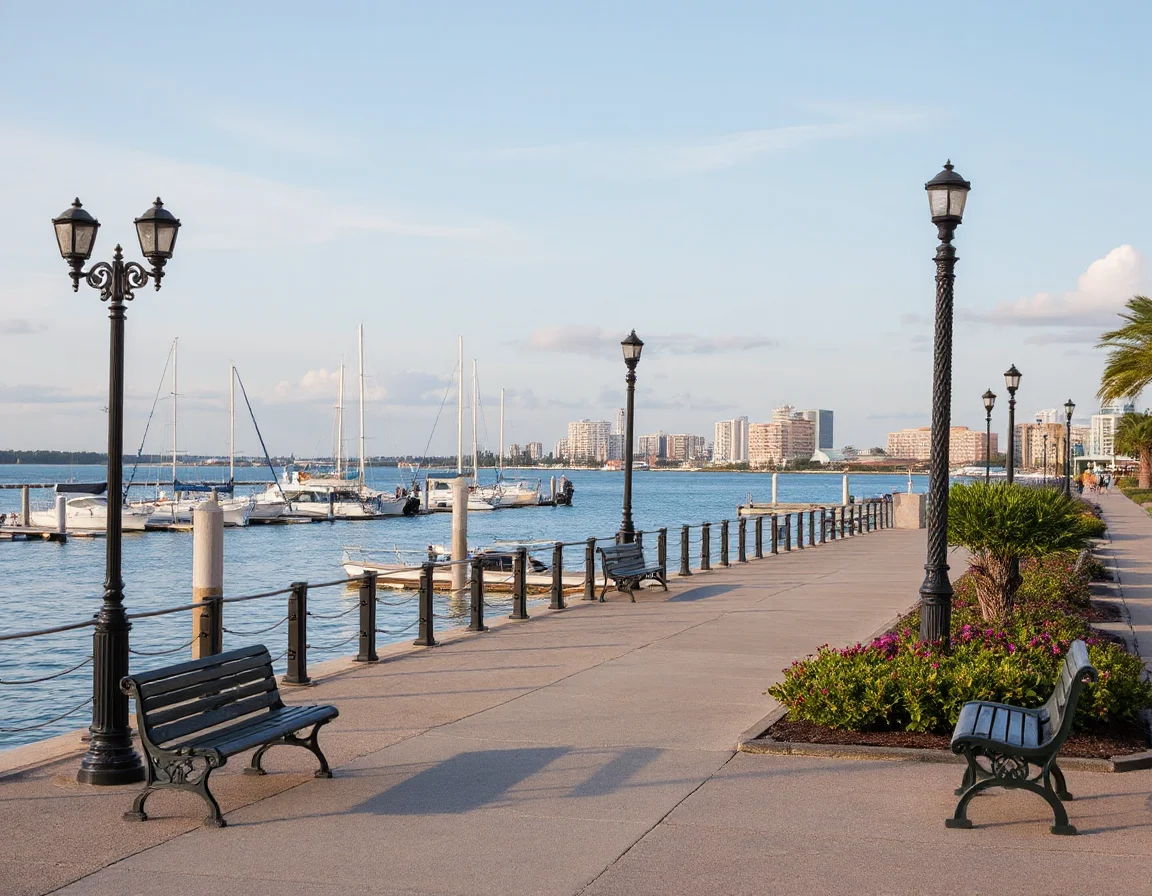
One of the biggest draws across the region is how often the outdoors becomes part of ordinary life. A morning walk along a bayfront path, a quick stop at a neighborhood green space, or an evening spent on a screened lanai can feel less like a special occasion and more like the default rhythm of the week. For many buyers, that makes homes with patios, pools, covered seating areas, or generous backyards especially appealing. Outdoor living space is not simply an extra feature in this market; it often functions as an extension of the main living area for much of the year.
The region’s amenities also vary in ways that shape home searches by priority. Some buyers focus on proximity to employment centers in Tampa, St. Petersburg, or Clearwater, looking for shorter drives and easier access to major corridors and bridges. Others place more weight on nearby waterfront recreation, golf, trail systems, public parks, or cultural destinations such as museums, performance venues, and seasonal events. The result is a market where location decisions tend to be highly personal and highly practical. A home that feels ideal on paper may become even more compelling when paired with a nearby marina, a favorite coffee stop, or a reliable route to work and the airport.
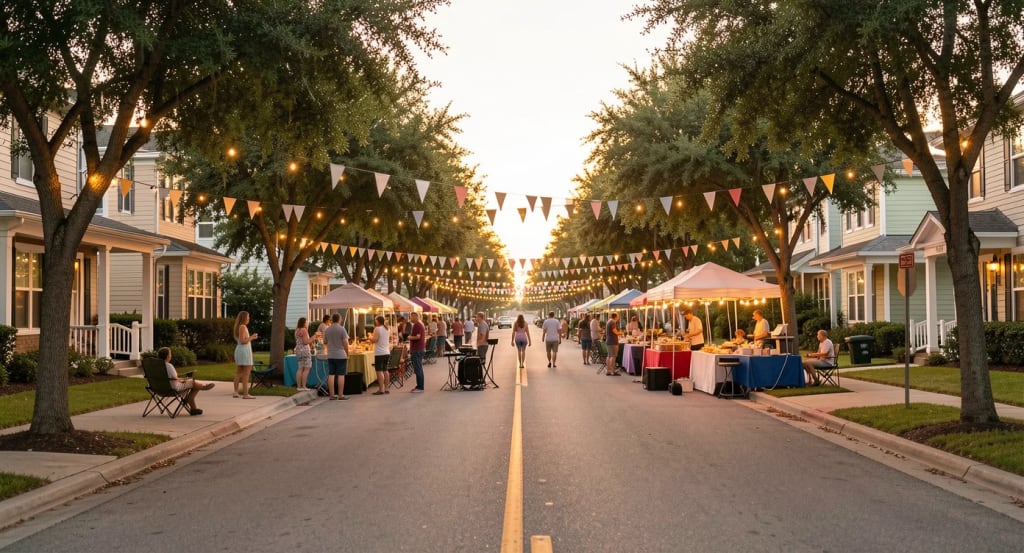
Dining and entertainment options matter, too, because they influence how often residents can keep plans simple. The Tampa Bay area offers everything from casual waterfront dining to neighborhood gathering spots and major league sports venues, creating a range of experiences within a relatively connected region. Buyers frequently compare whether they want quick access to a lively urban core, a quieter residential setting with local conveniences, or a balance of both. That balance can affect home style preferences as well, with some shoppers leaning toward low-maintenance townhomes or condos near activity centers, while others gravitate to single-family homes that offer more privacy and outdoor flexibility.
How Local Access Can Shape Real Estate Priorities
In many Tampa Bay searches, amenities become a shorthand for long-term value. Nearby parks, maintained public spaces, trail access, waterfront recreation, and established retail corridors can strengthen a neighborhood’s everyday appeal. Buyers often think ahead to resale when considering these features, asking whether the location will continue to attract interest over time. A home with solid interior updates can certainly stand out, but location-linked conveniences frequently help buyers feel confident in their decision.
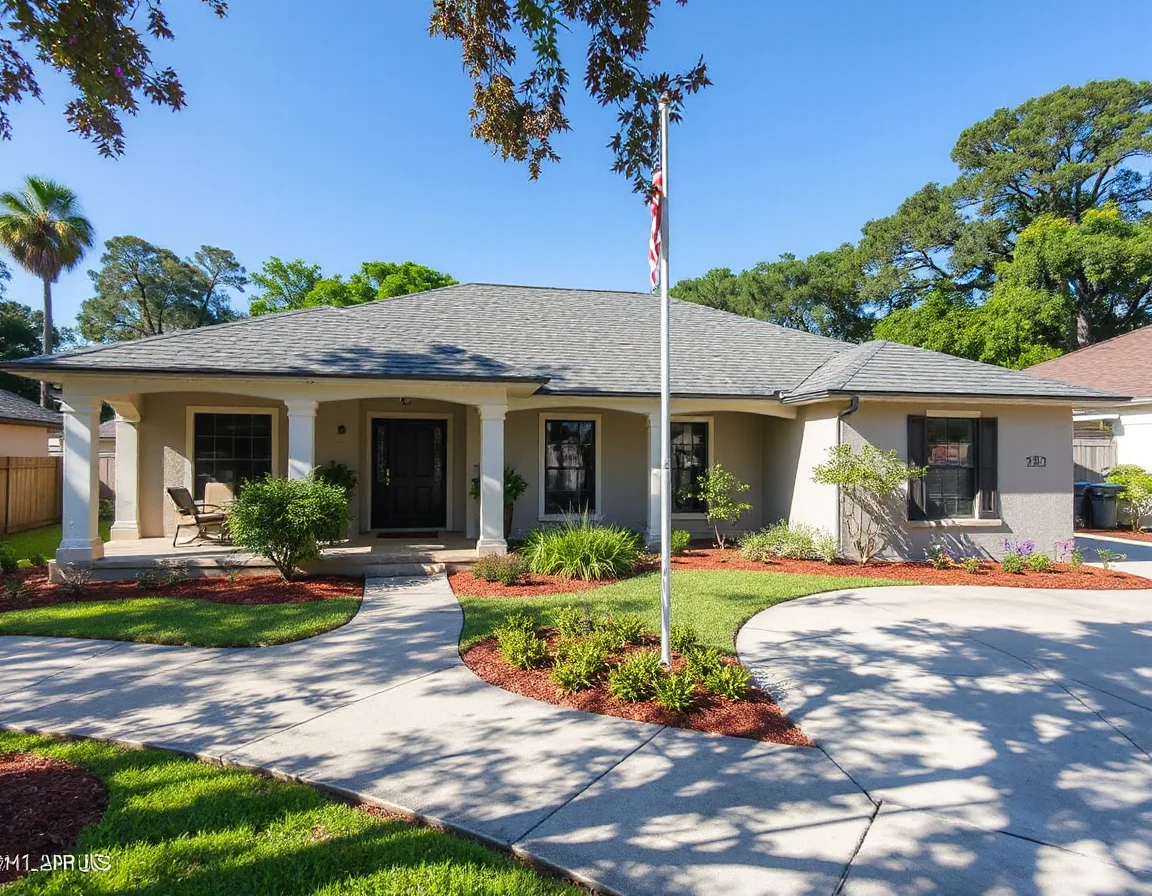
That is one reason homes with strong indoor-outdoor flow often draw attention in this part of Florida. Sliding glass doors opening to lanais, shaded seating areas, outdoor kitchens, and pool decks can make a property feel distinctly connected to the local climate. Even smaller lots can live larger when they are thoughtfully arranged for fresh air and flexible use. A well-designed backyard can support quiet evenings, casual entertaining, or a comfortable place to unwind after work, all without requiring major travel or planning.
Another important factor is the diversity of housing stock across the region. Buyers can explore historic neighborhoods with character, newer planned communities with modern amenities, waterfront enclaves, urban condos, and suburban subdivisions with larger footprints. Because the Tampa Bay area includes multiple cities and community styles, home searches often become an exercise in matching architecture and layout to a preferred pace of life. Some properties prioritize convenience and proximity; others emphasize lot size, privacy, or outdoor features. The strongest fit usually comes from understanding which nearby amenities will actually be used every week rather than admired only in theory.
Schools are also part of many relocation conversations, and buyers typically review public and private education options based on their own needs and preferences. Alongside that, they may consider library access, youth and adult recreation programs, medical facilities, and community services that contribute to daily ease. These objective, practical factors often shape how connected a location feels once move-in day has passed. A house can be beautifully updated, but a smooth everyday routine often depends on what surrounds it.
From Waterfront Recreation to Neighborhood Convenience

The Tampa Bay area stands out because the lifestyle menu is unusually broad. Waterfront trails, boating access, beaches within reach, golf courses, arts districts, and professional sports all exist alongside everyday essentials like grocery options, neighborhood services, and local gathering places. That variety gives buyers room to prioritize differently without leaving the region altogether. Someone looking for a home near vibrant activity can often find it, while another buyer seeking a more residential setting with convenient access to parks and open space can do the same.
For sellers, understanding this connection between home and surroundings can help shape a more effective presentation. Highlighting a property’s outdoor living features, storage for recreation gear, covered entertaining areas, or easy access to local amenities can tell a fuller story than square footage alone. Buyers are often imagining their routines as much as they are evaluating finishes. They want to know how mornings, evenings, weekends, and commutes may feel in that location.
In the end, Tampa Bay real estate decisions are often guided by a simple question: how will this home support everyday living? The answer might be found in a backyard designed for year-round use, a location close to waterfront recreation, or a neighborhood with convenient routes to work and local attractions. When buyers focus on both the property and the amenities around it, they are better positioned to choose a home that fits not only their budget, but their actual day-to-day experience.