

Ocean views tend to shape both pricing and competition in ways buyers and sellers can see quickly: stronger interest, faster emotional connection, and narrower inventory at the most desirable sightlines. But not every “view” carries the same value, and the premium often depends on privacy, elevation, maintenance costs, and how the view is experienced from inside and outside the home. Understanding those details can help buyers compare listings more realistically and help sellers position a property more effectively.
Why ocean views carry such strong market appeal
Few home features create an immediate reaction quite like seeing water from a living room, balcony, or backyard. Buyers often respond to ocean-facing homes on two levels at once: there is the measurable real estate value tied to scarcity, and there is the emotional draw of light, horizon, and open space. Because there are only so many properties with a true water outlook, the pool of available homes stays limited even when the broader market shifts.

That scarcity matters. A home with a broad, unobstructed view of the water is not competing only on square footage, bedroom count, or finishes. It is also offering something that is difficult to replicate later with a remodel or upgrade. A kitchen can be renovated and a patio can be refreshed, but a direct sightline to the ocean is tied to lot position, topography, and neighboring development patterns. That makes these properties stand out in listing searches and in person.
View-oriented homes also tend to photograph well, which can increase initial online engagement. More saves, more showing requests, and more repeat visits can translate into stronger demand when the rest of the pricing strategy is aligned with the market. In areas where outdoor living spaces are already highly valued, a deck, terrace, or yard that opens toward the water can make the experience feel even more complete.
A true ocean view premium usually comes from how often the water is visible in daily living spaces, not just from a single angle at the edge of the lot.
What actually drives the price premium
Not all ocean views are priced the same, and buyers are often surprised by how nuanced the differences can be. Appraisers, agents, and homeowners typically look at several factors together: whether the view is panoramic or partial, whether it is protected or vulnerable to future obstruction, how visible it is from main rooms, and whether the property includes outdoor areas designed to take advantage of it.
A home with a direct water view from the primary living area, kitchen, and outdoor patio may command a noticeably different price than a home where the ocean is visible only from an upper bedroom window. Elevation often matters too. Higher vantage points can provide longer, cleaner sightlines, while lower properties may be more exposed to road activity, neighboring rooflines, or landscaping that limits the visual effect.
Condition also influences how much of the premium a seller can capture. Buyers may pay more for the same view when the home’s layout frames it well through larger windows, open-concept common areas, or sliding doors that connect interior and exterior spaces. In contrast, a view hidden behind dated finishes or closed-off rooms may still have value, but buyers often discount for the work needed to unlock the property’s full potential.
There is also a practical side to the premium. Coastal exposure can bring maintenance considerations such as salt air, wind, moisture, and faster wear on exterior materials. Savvy buyers usually balance the attraction of the setting with roofing age, window quality, exterior finishes, and long-term upkeep costs. That does not reduce demand, but it does shape how serious buyers compare one ocean-view home to another.
Why buyer demand stays resilient
Homes with ocean views often attract attention across multiple market cycles because the underlying feature remains limited and highly visible. Even when interest rates, inventory levels, or broader affordability conditions shift, buyers continue to prioritize standout properties that feel hard to replace. In many cases, a water view helps a home hold mindshare longer than similarly sized properties inland.
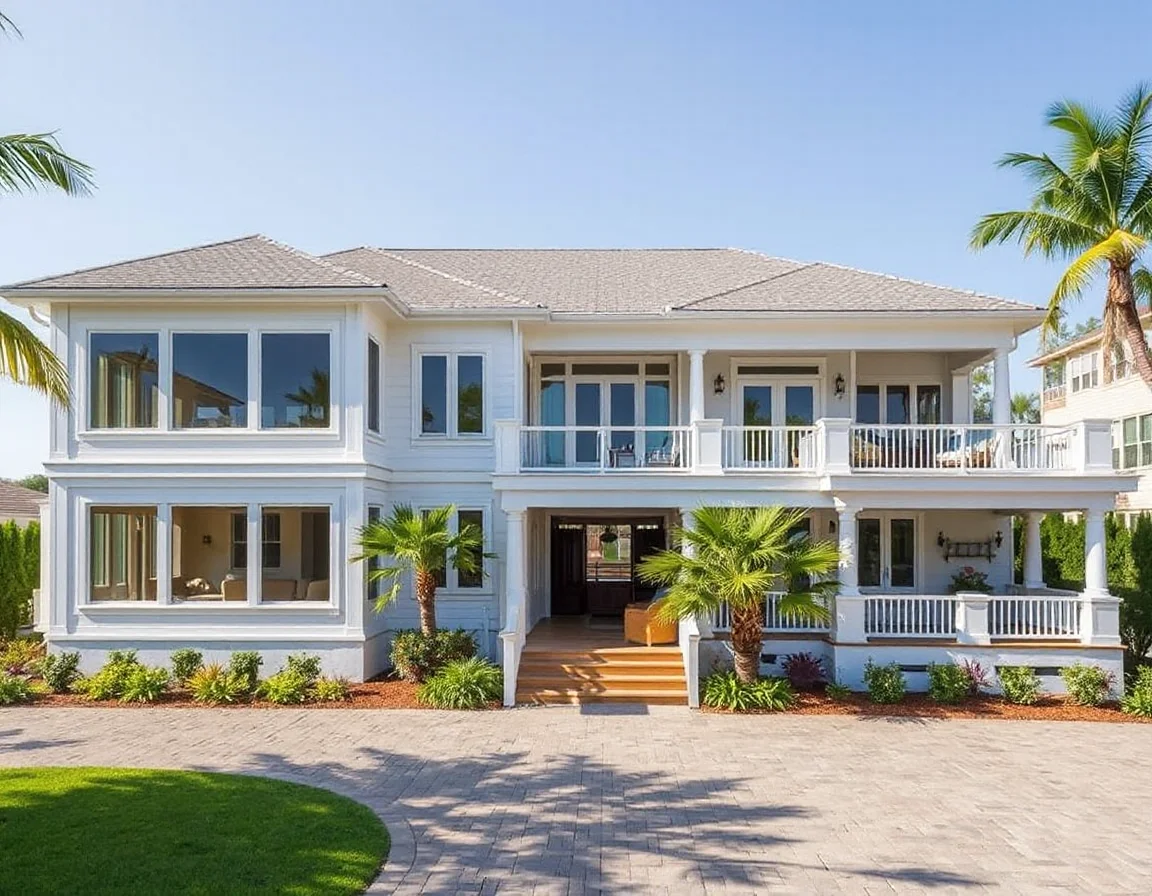
Part of that resilience comes from the everyday experience these homes offer. Buyers are not just evaluating a feature for resale; they are imagining mornings with natural light, evenings outside, and a stronger connection between the home’s indoor spaces and the surrounding environment. When that experience is supported by well-designed patios, balconies, or yards, the value can feel even more tangible during a showing.
Demand is especially strong when the view is paired with features that make the property comfortable and functional year-round. Open living spaces, sheltered outdoor seating, durable finishes, and a layout that maximizes the horizon line can all help justify stronger offers. In that sense, the view is the headline, but the home still needs to deliver on usability.
Another reason these listings can move quickly is that buyers often understand they may wait a long time for a similar opportunity. Unlike standard inventory, where a comparable home might appear a few weeks later, view properties can have fewer true substitutes. That can shorten decision timelines when a listing is priced with discipline and presented well.
Two homes on the same street can perform very differently if one captures the view from major gathering spaces and the other does not.
How buyers can compare ocean-view homes more carefully
For buyers, the smartest approach is to look past the label and examine the quality of the view itself. “Ocean view” can describe a wide range of realities, from a broad water panorama to a narrow glimpse between rooftops. During showings, it helps to stand in the rooms where daily life happens most often: the living room, kitchen, primary suite, and principal outdoor area. If the view is strongest only from one corner of the property, the premium may deserve closer scrutiny.
It is also worth asking how the view changes by time of day and season. Trees, marine layer conditions, sun angle, and neighboring structures can all affect the experience. Buyers should think about privacy, wind exposure, and how usable the balcony, deck, or backyard feels in practice. A home with a slightly smaller view but a far better outdoor setup may prove more satisfying than one with a technically larger outlook but less comfortable living space.
Budgeting for ownership is equally important. Insurance, exterior maintenance, and weather-related upkeep can differ for properties close to the coast. Understanding those costs early allows buyers to evaluate the full picture instead of focusing only on the emotional pull of the listing photos.
What sellers should know before pricing a view property
Sellers with ocean views often assume the market will automatically reward the home at the top of the price range. Sometimes it does, but only when the presentation and pricing reflect the actual quality of the view and the condition of the property. Overpricing can slow momentum, especially if buyers compare the home to stronger-positioned listings with better sightlines or more polished outdoor spaces.
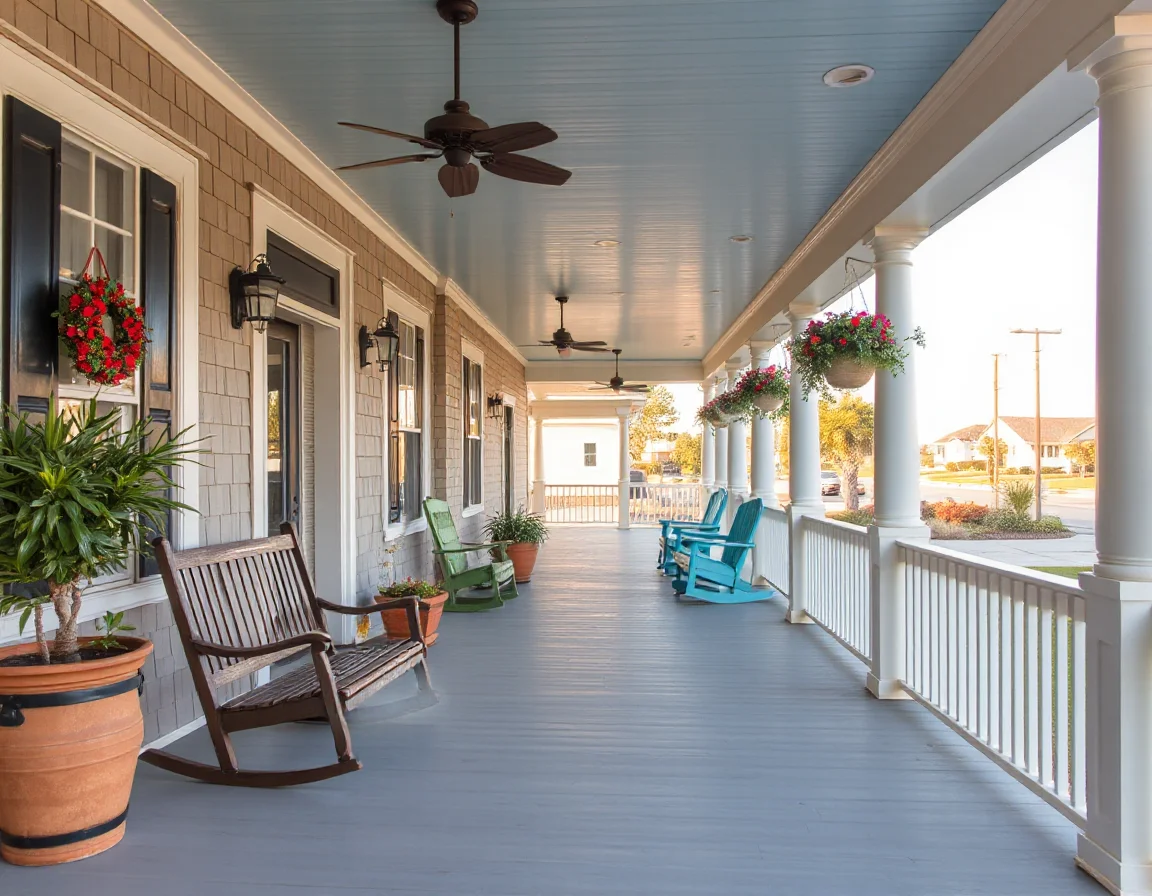
The goal is to highlight how the home lives with the view. That may mean decluttering windows, updating outdoor furniture placement, trimming landscaping that interrupts sightlines, and making sure photography captures the most compelling angles without overstating them. Buyers notice quickly when photos promise more than the showing delivers.
Sellers should also remember that view homes appeal not only because of location, but because of experience. If outdoor living spaces are part of the property’s strength, they should feel purposeful and ready to use. A clean deck, defined seating area, or well-maintained patio can help buyers connect the visual asset to daily life, which often supports stronger offers.
In the end, ocean views influence home prices because they combine scarcity, atmosphere, and lasting visual impact. They influence buyer demand because people remember them, search for them, and often struggle to find true alternatives. Whether buying or selling, the most accurate strategy is to measure the view in context: how protected it is, how well the home frames it, what it costs to maintain, and how fully it enhances the property’s everyday livability.